That Loud Bang From the Garage: Your Quick Action Guide
Broken spring garage door repair is one of the most common emergency calls we receive. If you’ve just heard a loud bang from your garage and your door won’t open, you’re facing a serious and potentially dangerous situation. For homeowners in St. Paul and the Twin Cities, AA Garage Door provides comprehensive garage door services to ensure your system is safe and functional. Here’s what you need to know right now:
Immediate Action Steps:
- Do NOT attempt to open the door – manually or with the opener
- Disconnect your garage door opener by pulling the red emergency release cord (only if door is fully closed)
- Keep everyone away from the door – a broken spring makes it extremely dangerous
- Call a professional immediately
Why This Is Urgent: Garage door springs are under immense tension and counterbalance doors that typically weigh 150-400 pounds. When a spring breaks, your opener can’t safely lift this weight, and attempting to use the door risks serious injury, damage to your opener’s motor and gears, or a door falling unexpectedly. For immediate and safe assistance, it’s crucial to contact a service that provides reliable garage door repair in the Twin Cities area. This guide will walk you through the essential first steps, the dangers to avoid, and how to get your door working safely again.
I’m David Sands, owner of AA Garage Door LLC, and in over 23 years of providing broken spring garage door repair services across the Twin Cities, I’ve seen the dangers of attempting DIY repairs or trying to operate a door with a failed spring. This guide will walk you through exactly what to do – and what to avoid – to keep your family safe and get your garage door working again quickly.
First, The Warning Signs: How to Know Your Spring is Broken
A broken spring is the most common reason for a garage door to fail. The springs are a critical component, as they do the heavy lifting by counterbalancing the door’s weight. Without their support, the door becomes incredibly heavy and hazardous. Think of them as the unsung heroes of your garage door system. When they’re working, you barely notice them. When they break, well, that’s when you really notice!
Key Signs You Need Broken Spring Garage Door Repair
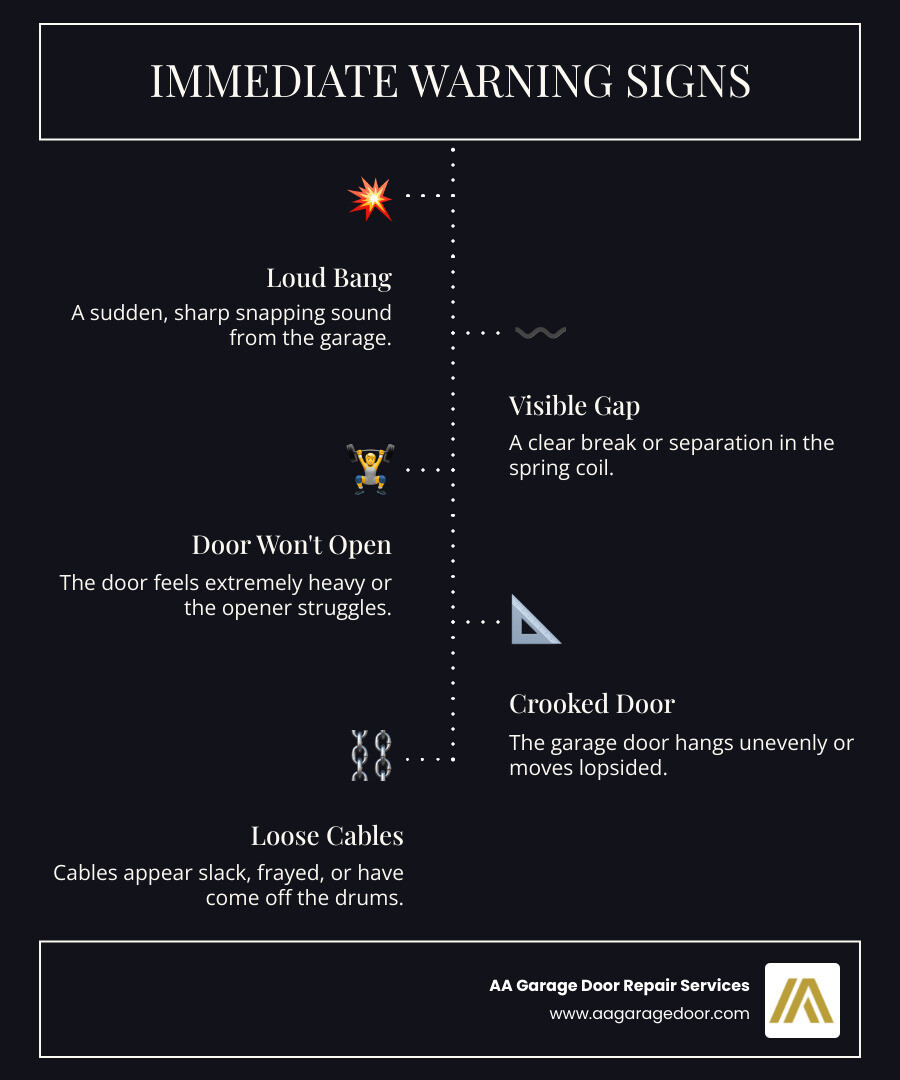
Identifying when a spring on your garage door is broken is crucial for your safety and for timely repairs. Here are the tell-tale signs that indicate you need broken spring garage door repair:
- Loud Bang or Snap: This is often the most dramatic and unmistakable sign. Many homeowners describe hearing a sound like a gunshot or a firecracker exploding. This loud noise is the sound of the spring snapping under immense tension.
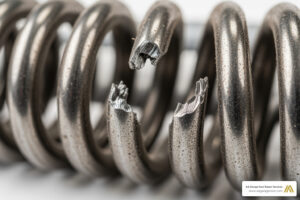
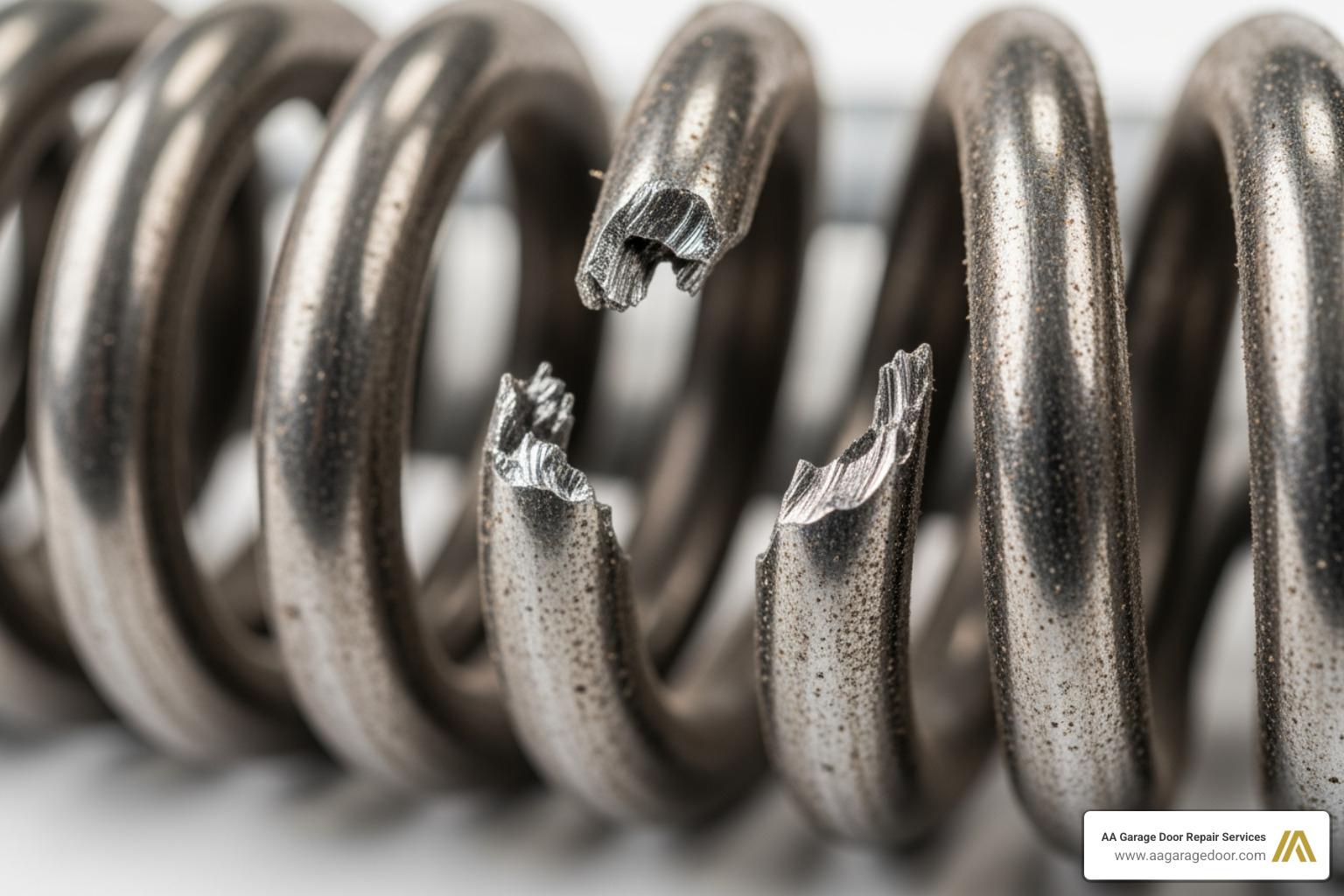
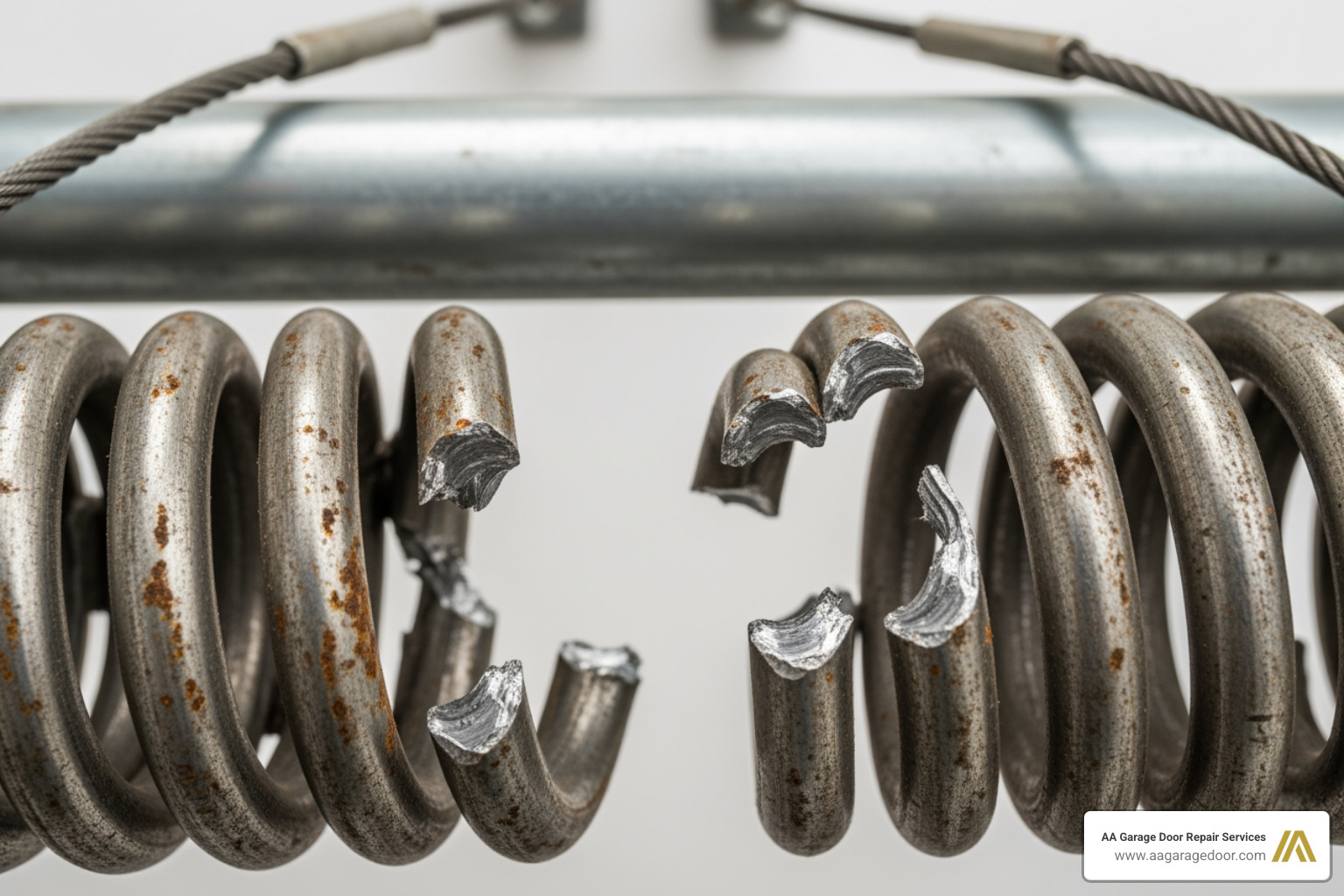
- Visible Spring Gap: For torsion springs (the most common type, located above your garage door), a clear, visible gap of an inch or two in the coiled spring is a definitive sign of breakage. For extension springs, you might see a separation or a spring hanging loose.
- Crooked or Uneven Door: If your garage door opens or closes unevenly, with one side higher than the other, it’s a strong indicator that one of the springs has broken. This imbalance can cause the door to bind or get stuck.
- Door Won’t Open (or Struggles): If your garage door opener is running but the door only moves a few inches, seems to struggle significantly, or won’t lift at all, a broken spring is the likely culprit. The opener is not designed to lift the door’s full weight without the springs’ assistance.
- Door Slams Shut: A properly functioning garage door should close smoothly and gently. If your door closes much faster than usual, or slams down, it means the springs are no longer providing the necessary counterbalance.
- Loose or Dangling Cables: The lift cables connect the springs to the bottom of the garage door. If a spring breaks, the tension on these cables disappears, causing them to become loose, tangled, or even fall off their drums.
- Straining Opener Motor: If your garage door opener sounds like it’s working harder than usual, making grinding noises, or the motor is visibly straining to move the door, it’s struggling to compensate for the lost spring tension. This can lead to severe damage to the opener itself.
- Door Feels Extremely Heavy: If you’ve disengaged your opener and tried to lift the door manually, and it feels incredibly heavy – like deadlifting several hundred pounds – it’s a clear sign that the springs are not assisting as they should.
Torsion vs. Extension: Identifying Your Spring Type
Understanding the type of garage door springs you have is helpful when discussing the issue with a professional. There are two primary types:
- Torsion Springs: These are the most common type found in modern residential garage doors. They are located on a metal shaft directly above the garage door opening. Torsion springs work by twisting and coiling to store mechanical energy, which then helps lift and lower the door. They are typically larger and thicker than extension springs.
- Extension Springs: These springs are typically found on older or lighter garage doors. They are located on either side of the garage door tracks, running parallel to the horizontal tracks. Extension springs work by stretching and contracting to counterbalance the door’s weight. They often have safety cables running through their center to prevent them from becoming dangerous projectiles if they break.
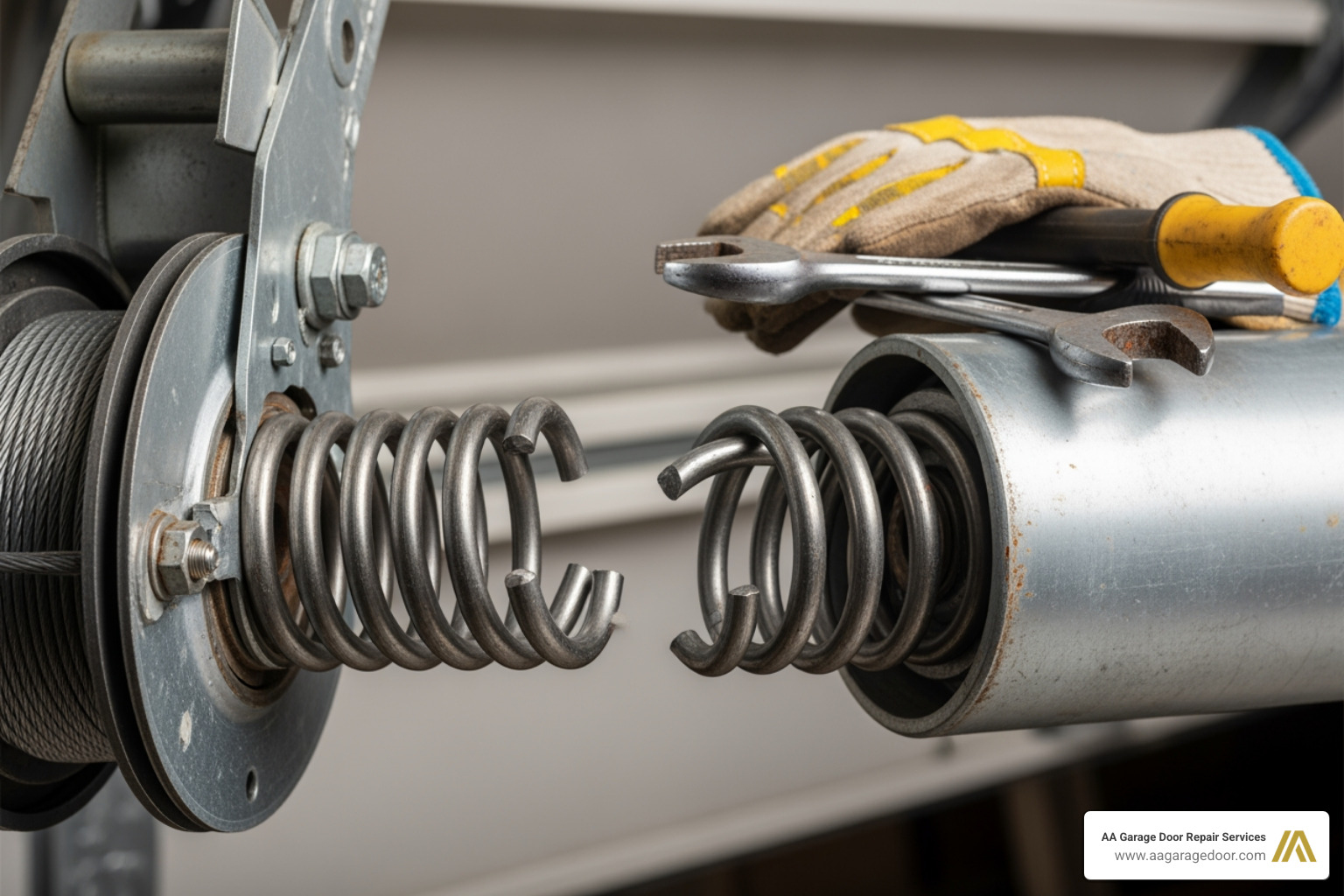
While both types serve the same purpose, torsion springs are generally considered more durable and safer due to their mounting. However, they are also under much greater tension, making their repair or replacement significantly more dangerous for the untrained individual.
For more detailed information about the different types of springs and our specialized services, please visit our page on Garage Door Springs.
Safety First: What to Do Immediately (and What NOT to Do)
A broken garage door spring creates an extremely dangerous situation. The door is no longer balanced and can fall unexpectedly, causing serious injury or property damage. Your immediate actions are critical for safety. We cannot stress this enough: your safety and the safety of your family are paramount.
Immediate Steps for a Broken Spring
If you suspect or confirm a broken garage door spring, here’s what you should do:
- Do Not Use the Opener: This is the golden rule. Even if the door moves a little, operating the opener will put immense strain on its motor and gears, leading to further, more expensive damage. It also increases the risk of the door falling or going off track.
- Disconnect the Opener (Carefully): If your garage door is fully closed, you can pull the red emergency release cord to disengage the door from the automatic opener. This prevents accidental operation. However, if the door is open or partially open, do NOT pull this cord without first securing the door, as it could slam shut. In most cases with a broken spring, the door will be closed.
- Keep the Door Closed: If the door is closed, keep it that way. Do not attempt to open it manually. The door’s weight is now unsupported, and trying to lift it can cause it to fall, injuring you or damaging itself further.
- Clear the Area: Ensure children, pets, and anyone else stay clear of the garage door area. A broken spring can cause unpredictable movement or collapse of the door.
- Call a Professional: This is not a DIY job. Contact a reputable garage door repair service like AA Garage Door Services in St. Paul, Twin Cities, MN, or Western WI immediately. We offer 24/7 emergency service for exactly these situations.
The Dangers: Why You Shouldn’t Open a Garage Door with a Broken Spring
Is it safe to open a garage door with a broken spring? The short answer is a resounding no. There is no safe way to open a garage door with a broken spring. The risks of attempting to open a garage door with a broken spring are significant and can include:
- Extreme Door Weight: Garage doors are incredibly heavy, often weighing between 150 to 400 pounds. Without the counterbalance of the springs, you would be attempting to manually lift this entire weight, which is a recipe for back injuries, strains, or worse.
- Risk of Door Falling: An unbalanced door can fall suddenly and without warning. This poses an extreme risk of severe injury, including broken bones, amputations, or even fatalities, to anyone underneath or near the door.
- Damage to Opener System: If you continue to use your automatic opener with a broken spring, the opener is forced to lift the entire weight of the door on its own. This will almost certainly strip its internal gears, burn out the motor, or cause other expensive damage.
- Damage to Door Panels and Tracks: The uneven distribution of weight can cause the garage door to operate crookedly. This can bend or warp door panels, cause rollers to jump off tracks, or damage the tracks themselves, leading to even more extensive and costly repairs.
- Personal Injury Risk: Beyond the door falling, other components can fail dangerously. Cables can snap, drums can detach, or even the remaining spring (if you have two) can break unexpectedly. This is why we strongly advise against any attempts at DIY repair or manual operation.
The Professional Broken Spring Garage Door Repair Process
While some home repairs are suitable for a weekend project, fixing a garage door spring is not one of them. The immense tension stored in the springs can be lethal if released improperly. When you’re dealing with hundreds of pounds of door and tightly wound metal under extreme pressure, it’s time to call in the experts.
Why DIY Broken Spring Garage Door Repair is a Bad Idea
We understand the temptation to save money by attempting a DIY repair. However, when it comes to broken spring garage door repair, the risks far outweigh any potential savings. Here’s why you should leave this job to the professionals:
- Specialized Tools Required: Replacing garage door springs requires specific tools, including winding bars, which are designed to safely manipulate the high-tension springs. Using improper tools can lead to serious injury if they slip or break. As noted on Richard Kinch’s exceedingly thorough page on the subject, the winding process itself is highly technical and requires precise, specialized equipment.
- Extreme Tension Risk: Garage door springs are under enormous pressure. If this tension is released improperly, the spring can recoil with incredible force, turning into a dangerous projectile. Winding bars can fly off, springs can snap and whip, causing severe injuries like cuts, fractures, or worse. We’ve seen cases where side springs have even shot through garage walls!
- Incorrect Spring Installation: Even if you manage to replace the spring without injury, installing the wrong type or size of spring, or winding it with incorrect tension, can lead to an unbalanced door. An unbalanced door will prematurely wear out your opener, damage other components, and continue to be a safety hazard.
- Further System Damage: An improperly installed spring can cause the door to operate unevenly, leading to bent tracks, damaged rollers, or misaligned cables. What started as a broken spring can quickly escalate into a full garage door system overhaul.
- Voided Warranties: Attempting DIY repairs on your garage door or opener can void existing warranties, leaving you fully responsible for future repair costs.
For a deeper dive into why professional intervention is crucial, you can read our article on 3 Reasons to Have Damaged Garage Door Springs Professionally Replaced.
What to Expect from a Professional Technician
When you call AA Garage Door Services for broken spring garage door repair in St. Paul, the Twin Cities, or Western WI, here’s what you can expect from our professional, uniformed technicians:
- Prompt Response and Inspection: We offer fast, 24/7 emergency service. Our technician will arrive promptly, assess the situation, and conduct a thorough inspection of your entire garage door system to identify the cause of the problem and any other underlying issues.
- Upfront Pricing: We believe in transparency. Before any work begins, you’ll receive a clear, written estimate with no hidden fees. We’ll explain the necessary repairs and answer all your questions.
- Safe Removal of Old Springs: Our technicians are expertly trained and equipped with the specialized tools and knowledge to safely release the tension from and remove the broken spring(s). This is the most dangerous part of the repair, and our team handles it with precision and care.
- Correct Spring Installation: We will install the correct replacement springs specifically matched to the weight and size of your garage door. We use high-quality, durable springs designed for longevity. For instance, we may recommend upgrading to high-cycle springs for increased durability if appropriate for your door.
- Door Balance Test: After installation, we perform a crucial door balance test. We disconnect the opener and manually lift the door halfway. A properly balanced door should stay put without falling or rising. This ensures the springs are correctly tensioned and the door operates smoothly.
- System Safety Check: Our service doesn’t stop at spring replacement. We’ll lubricate all moving parts, inspect cables, rollers, and tracks, and adjust the opener’s force settings to ensure your entire garage door system is operating safely and efficiently. We’ll also walk you through the completed work and answer any remaining questions.
Lifespan, Cost, and Prevention
Understanding the lifecycle of your garage door springs can help you anticipate repairs and budget accordingly. With proper maintenance, you can maximize their lifespan and ensure your garage door operates safely for years.
How Long Do Springs Last and Why Do They Break?
Garage door springs have a finite lifespan, measured in “cycles.” One cycle is defined as the door opening and closing once.
- 10,000 Cycle Lifespan: Most standard garage door springs are rated for approximately 10,000 cycles.
- 7-9 Years Average Use: For the average household, 10,000 cycles typically translates to about 7 to 9 years of normal use. If you use your garage door more frequently (e.g., as a main entry point), this lifespan can be shorter.
Why do these hardworking springs eventually break?
- Wear and Tear: This is the most common reason. Over thousands of cycles, the metal in the springs undergoes fatigue. Eventually, the constant coiling and uncoiling causes the metal to weaken and snap.
- Rust and Corrosion: Rust weakens the spring coils, making them more susceptible to breaking. Lack of lubrication allows moisture to accumulate, leading to corrosion. Regular lubrication can significantly reduce this risk.
- Extreme Temperatures: Temperature fluctuations, especially cold weather in Minnesota and Western Wisconsin, can make spring metal more brittle and prone to breaking.
- Lack of Maintenance: Neglecting regular inspections and lubrication accelerates wear and tear, contributing to premature spring failure.
- Improper Installation or Wrong Springs: If the wrong size or type of spring was installed initially, or if the installation was faulty, it can lead to early breakage.
For more insights into the longevity of your springs, check out our guide on How Long Do Garage Door Springs Last Before Needing Replacement?.
Understanding the Cost of Replacement
The cost of broken spring garage door repair can vary depending on several factors, including the type of spring (torsion or extension), the number of springs, and labor costs. On average, the cost for a professional spring replacement in our service areas of St. Paul, Twin Cities, and Western WI typically ranges from $200 to $400. Some sources suggest a range of $100-$200 or $150-$350 for a single spring replacement.
Here’s a breakdown of what typically influences the total cost:
- Part Costs: The price of the springs themselves. High-cycle springs, designed to last longer, will cost more upfront but offer better value over time.
- Labor Costs: This includes the technician’s time and expertise to safely remove the old springs, install the new ones, and properly tension and test the system.
- Service Call Fee: Many companies charge a service call fee, which might be waived if you proceed with the repair.
- Number of Springs: If your door has two springs (which is common for torsion systems), it’s highly recommended to replace both, even if only one is broken. This ensures balanced operation and prevents the other, equally aged spring from breaking soon after. This will naturally increase the parts cost.
| Spring Type & Quantity | Typical Cost Range (Parts & Labor) |
|---|---|
| Single Extension Spring | $150 – $250 |
| Pair of Extension Springs | $200 – $350 |
| Single Torsion Spring | $200 – $350 |
| Pair of Torsion Springs | $300 – $500 |
Please note: These are estimated ranges. Actual costs may vary based on specific spring type, door weight, and additional components required.
For a comprehensive breakdown of potential expenses, refer to our Broken Garage Door Spring Cost Guide.
Preventative Maintenance Tips
While springs will eventually wear out, you can significantly prolong their lifespan and prevent premature breakage with a few simple preventative maintenance tips:
- Regular Lubrication: Lubricate your garage door springs and other moving metal parts (rollers, hinges) every six months. Use a silicone-based lubricant, not WD-40, which can attract dirt. This reduces friction and prevents rust.
- Visual Inspections: Take a few minutes each month to visually inspect your springs for signs of wear, rust, or gaps. Also, check cables for fraying and rollers for wear.
- Annual Professional Tune-up: Schedule a professional garage door tune-up at least once a year. Our technicians can spot potential issues before they become major problems, adjust spring tension, and ensure all components are working correctly.
- Door Balance Test: Periodically perform a door balance test. With the door closed, pull the red emergency release cord to disconnect the opener. Manually lift the door halfway. If it stays put, your springs are properly balanced. If it falls or rises, the springs need adjustment by a professional.
- Minimize Excessive Use: While you shouldn’t drastically change your habits, being mindful of unnecessary opening and closing can contribute to spring longevity.
Frequently Asked Questions about Broken Garage Door Springs
We hear a lot of common questions from homeowners dealing with a broken garage door spring. Here are some of the most frequent ones:
Should I replace both springs if only one is broken?
Yes, you should always replace both springs if your garage door system has two. Garage door springs are installed at the same time and endure the same number of cycles and environmental stressors. If one has failed due to metal fatigue, the other is likely to fail soon after, creating another dangerous and inconvenient situation. Replacing both ensures your door remains balanced, extends the life of your opener, and prevents another emergency repair call in the near future. It’s a matter of proactive maintenance and safety.
How long does it take to replace a garage door spring?
For a trained professional, replacing a garage door spring typically takes about 30 to 60 minutes. This includes safely removing the old spring(s), installing the new ones, properly tensioning them, and performing a balance test and full system check. While DIY replacement might take longer and carries significant risk, our experienced technicians in St. Paul, the Twin Cities, and Western WI have the correct tools and expertise to perform the job safely and efficiently.
Can I just buy a stronger spring to make it last longer?
Not necessarily. The springs must be precisely matched to the exact weight and size of your garage door. Installing a spring that is too strong can cause the door to fly open or be difficult to close, putting excessive strain on the opener, cables, and other components. This creates a new set of safety hazards and can lead to premature failure of other parts. A better option for longevity is to invest in high-cycle springs, which are made from higher quality wire and designed to withstand more cycles than standard springs, while still being perfectly matched to your door’s specifications.
Your Next Step: Secure and Professional Repair
A broken garage door spring is a serious issue that requires immediate, professional attention. Attempting a DIY repair is not worth the risk to your safety, your family, or your property. By understanding the signs, taking the correct safety precautions, and calling a trusted expert, you can ensure your garage door is repaired correctly and safely.
At AA Garage Door Repair Services, we specialize in fast, reliable broken spring garage door repair. We’ve proudly served homeowners and businesses in St. Paul, the Twin Cities, Baldwin WI, Woodbury MN, and Hudson WI since 2001, offering 24/7 emergency service with transparent pricing and a satisfaction guarantee. Our local expertise means we understand the unique challenges our climate can pose to garage door systems.
For a safe and reliable solution to your broken garage door spring, don’t hesitate. Schedule your professional spring repair online today. We’re here to get your garage door back in perfect working order, quickly and safely.