Why Choosing the Right 12×14 Insulated Garage Door Matters
A 12×14 insulated garage door is a smart investment for both residential and commercial properties, offering superior energy efficiency, durability, and noise reduction. When considering comprehensive garage door services, choosing the right large format door—ideal for oversized garages, workshops, and commercial bays—requires careful consideration of insulation type, R-value, and material construction to maximize long-term performance and property value.
Quick Answer: Top Features to Look for in a 12×14 Insulated Garage Door
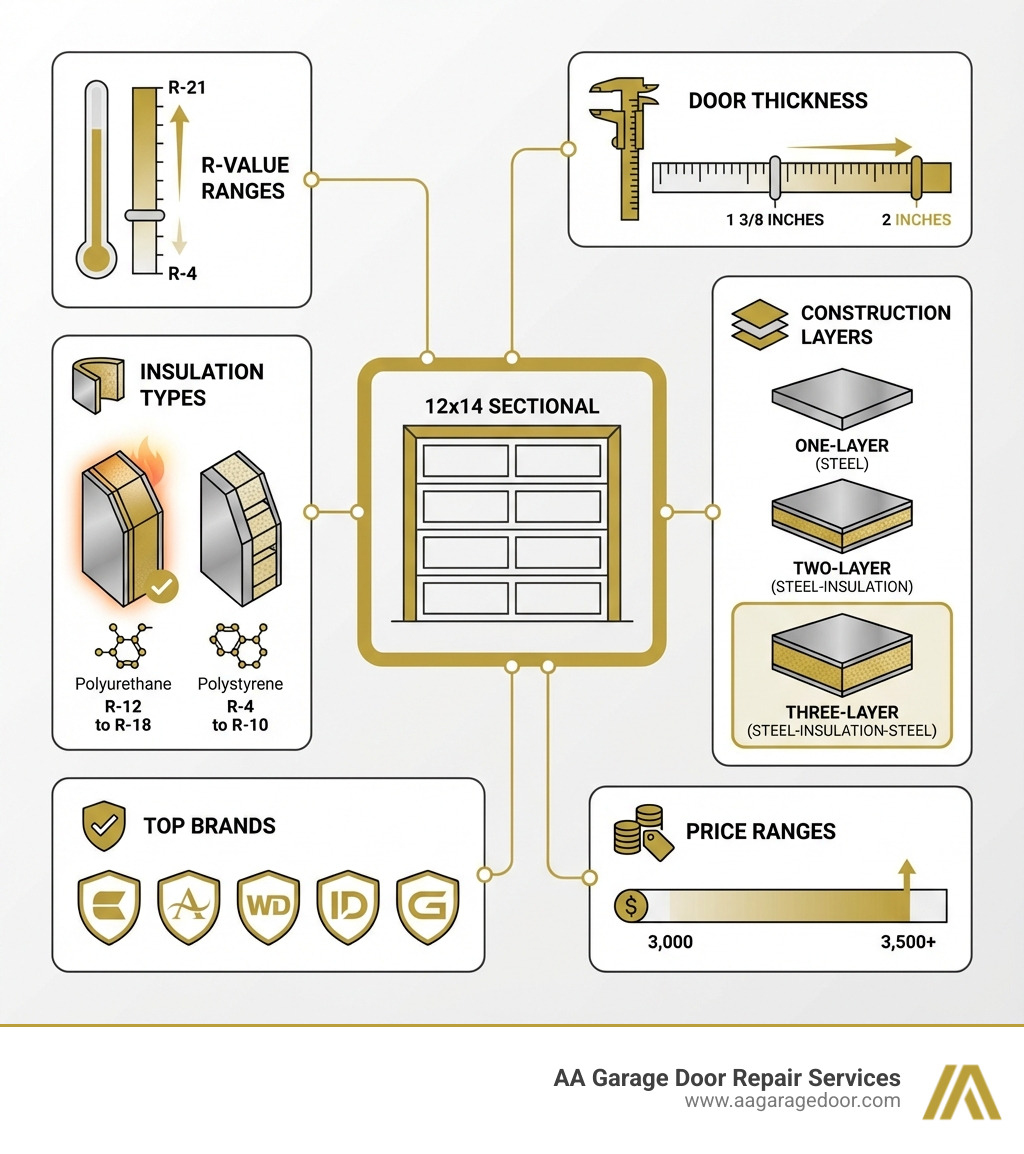
- R-Value: Aim for R-12 or higher (R-16 to R-18 is ideal for cold climates)
- Insulation Type: Polyurethane foam offers higher R-value per inch than polystyrene
- Construction: Three-layer steel (steel-insulation-steel) provides maximum durability
- Thickness: 1 ¾” to 2″ for optimal thermal performance
- Top Brands: Clopay, Amarr, Wayne Dalton, Ideal Door, Garaga
- Price Range: $3,000 to $3,500+ depending on features and customization
- Energy Savings: Up to 30% reduction in heating and cooling costs
Insulated garage doors make a measurable difference in energy conservation. Research shows that insulated garage doors can reduce energy costs by up to 30% by preventing heat loss in winter and heat gain in summer. In cold climates like Minnesota, where winter temperatures can average as low as 7 degrees Fahrenheit, this protection extends to your vehicles, stored items, and HVAC system. An insulated door also operates significantly quieter—producing just 80 decibels compared to an uninsulated door’s 96 decibels—making it three times quieter to the human ear.
Beyond energy efficiency, a 12×14 insulated garage door adds structural strength, dent resistance, and curb appeal. The foam insulation creates a rigid core between steel layers, making the door more durable. For attached garages or spaces used as workshops or home gyms, insulation transforms the garage into a comfortable, climate-controlled extension of your living space. Homeowners typically recoup over 94% of their garage door’s value at resale, making it one of the highest-ROI home improvements available.
When selecting a 12×14 insulated garage door, you’ll need to understand key specifications like R-value ratings, insulation materials, construction types, and design options. Installation is also critical—a door this size requires professional installation with heavy-duty track systems, properly rated torsion springs, and adequate headroom. For properties in Wisconsin and Minnesota, choosing a door engineered for cold-weather performance ensures decades of reliable operation.
Quick 12×14 insulated garage door terms:
The Core Benefits of an Insulated Garage Door
Investing in a 12×14 insulated garage door isn’t just about keeping the cold out; it’s about changing your garage space into a more functional, comfortable, and energy-efficient area. The benefits extend far beyond simple temperature control, impacting everything from your utility bills to your home’s resale value.
Energy Savings and Comfort
One of the most compelling reasons to choose an insulated garage door, especially a large 12×14 model, is the significant impact on energy efficiency.
Energy cost reduction: An insulated garage door acts as a thermal barrier, preventing heat from escaping in the winter and entering in the summer. This can lead to a substantial reduction in energy costs by up to 30%. For attached garages, this benefit extends directly to your home, as an uninsulated garage can act like a giant, open window, drawing conditioned air out of your living space.
Stable garage temperature: Whether you’re using your garage as a workshop, a gym, or simply a place to park your vehicles, a stable temperature makes a world of difference. No more shivering while you work on a project or sweating through a summer afternoon. This stable environment also protects sensitive items stored in your garage, such as paint, chemicals, or even antique furniture, from extreme temperature fluctuations.
HVAC system protection: By reducing the transfer of heat or cold between your garage and your home, an insulated garage door lessens the workload on your home’s heating, ventilation, and air conditioning (HVAC) system. This can prolong the life of your HVAC equipment and reduce maintenance needs.
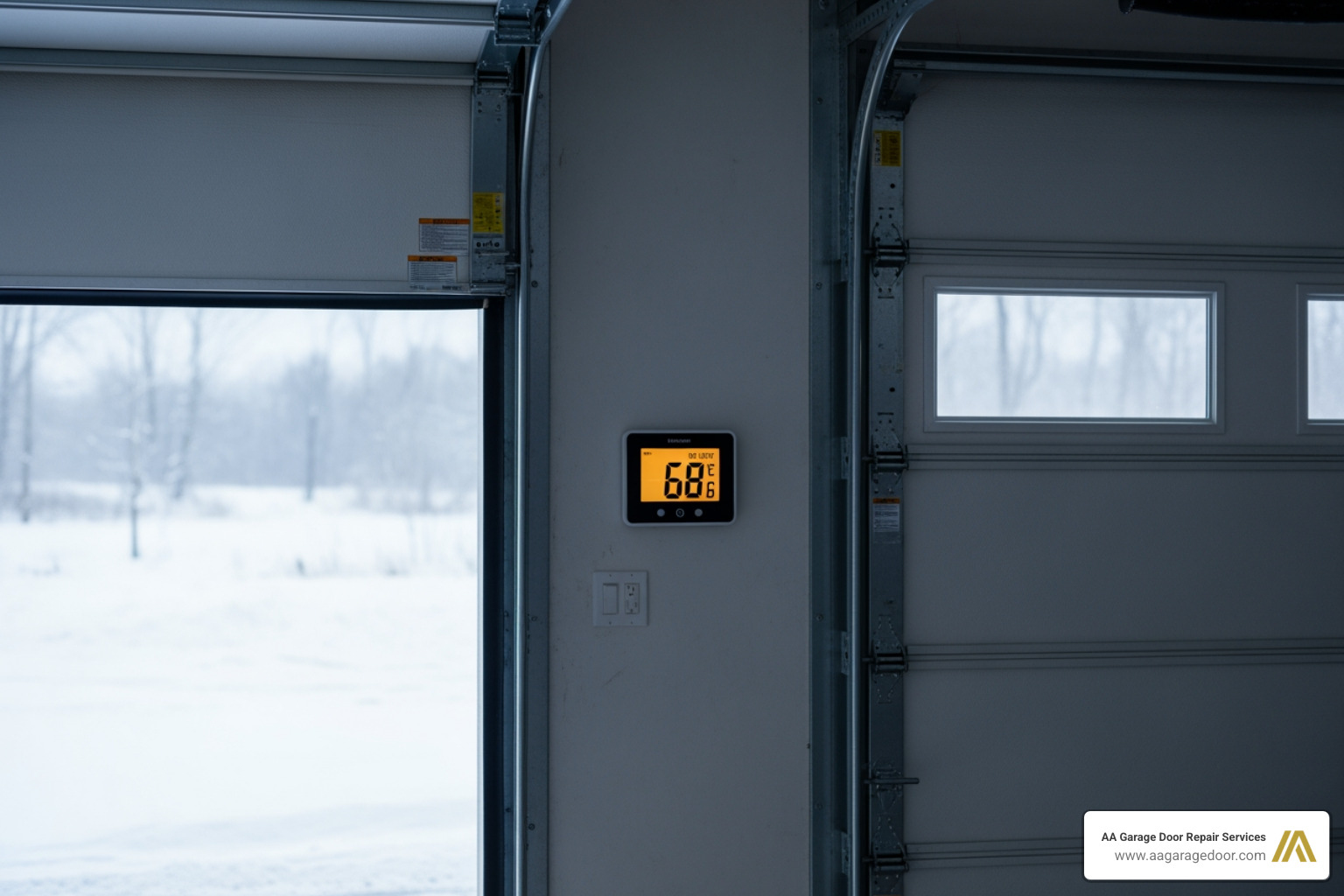
Reduced heat loss: In colder climates like Minnesota and Western Wisconsin, where winter temperatures can drop as low as 7 degrees, heat loss through an uninsulated garage door is a major concern. A well-insulated 12×14 door creates a buffer zone, preventing your garage from becoming an icebox and, in turn, protecting your vehicles from cold-weather issues like battery drain and low tire pressure. It also keeps your stored items, tools, and even pets (if they reside in the garage) much more comfortable.
Improved Durability and Quieter Operation
Insulation isn’t just about temperature; it also significantly improves the structural integrity and quietness of your garage door.
Dent resistance and structural rigidity: The foam core of an insulated garage door (whether polystyrene or polyurethane) adds a layer of strength between the steel panels. This makes the door much more rigid and resistant to dents and dings from everyday impacts, such as a stray basketball or a bumped-in car. This added durability contributes to a longer lifespan for your door.
Vibration absorption and sound dampening: Have you ever heard an uninsulated garage door rattle and clang as it opens and closes? It can be quite a racket! The insulation material fills the hollow spaces within the door panels, absorbing vibrations and significantly dampening sound. An insulated door produces just 80 decibels (dB) when operating, compared to an uninsulated door’s 96 dB. This difference is substantial, making an insulated door three times quieter to the human ear. This means less noise disruption for anyone inside the garage, as well as for those in adjacent living spaces.
Increased Home Value
A 12×14 insulated garage door is more than just a functional upgrade; it’s a smart investment that can boost your property’s overall appeal and value.
Curb appeal: Garage doors are a prominent feature of any home or commercial building. A well-maintained, aesthetically pleasing insulated door significantly improves curb appeal, making a strong first impression. With a wide array of styles, colors, and window options available, you can select a door that perfectly complements your property’s architecture.
High ROI: Homeowners often recoup over 94.5% of their garage door’s value at resale. This impressive return on investment makes a garage door replacement one of the most cost-effective home improvements. Insulated doors, with their energy-saving and comfort benefits, are particularly attractive to potential buyers, adding to your home’s marketability and value. For a deeper dive into the financial wisdom of this upgrade, explore our Insulated Garage Doors Value Guide.
Key Specifications for a 12×14 Insulated Garage Door
Choosing the right 12×14 insulated garage door involves understanding its technical components. This section will detail the aspects you need to consider before making your purchase, ensuring you get a door that performs optimally for your specific needs.

Insulation Types: Polyurethane vs. Polystyrene
When it comes to insulation for your garage door, the two primary types are polyurethane and polystyrene. Both offer thermal benefits, but they achieve them in different ways and with varying levels of performance.
| Feature | Polyurethane | Polystyrene |
|---|---|---|
| R-value per inch | Higher (R-6 to R-7 per inch) | Lower (R-3 to R-4 per inch) |
| Cost | Generally higher | Generally lower |
| Rigidity | Injected foam, bonds to door, adds structural strength | Board-cut, fitted panels, less structural contribution |
| Moisture Resistance | Closed-cell structure, better resistance | Open-cell structure, can absorb moisture over time |
| Application | Superior for extreme climates, attached garages, heated spaces | Good for moderate climates, detached garages |
Polyurethane pros: Polyurethane foam is injected into the door’s cavities, expanding to fill the entire space and bonding to the steel skins. This creates a highly rigid, dense insulation that offers a superior R-value per inch. It also contributes significantly to the door’s overall structural strength and quiet operation. Because it’s a closed-cell foam, it’s more resistant to moisture absorption.
Polystyrene pros: Polystyrene insulation consists of pre-cut foam boards fitted into the door’s sections. While it provides good thermal resistance, its R-value per inch is typically lower than polyurethane. It’s a more economical option and can be perfectly adequate for detached garages or those in less extreme climates. However, it doesn’t add as much structural rigidity to the door.
R-value differences: Polyurethane generally offers a higher R-value per inch compared to polystyrene, meaning you can achieve a higher overall R-value with a thinner polyurethane door. This makes it a more efficient choice for insulation.
Structural integrity: Due to its injection-foamed nature, polyurethane bonds with the door’s steel layers, creating a stronger, more impact-resistant panel. Polystyrene, being a fitted board, doesn’t offer the same level of structural improvement.
Cost comparison: Generally, polyurethane insulated doors will have a higher upfront cost than polystyrene doors. However, the long-term energy savings and improved durability of polyurethane can often offset this initial difference. Understanding the R-value is key to making an informed decision about insulation. Learn more about R-value.
Understanding R-Value and Door Thickness
The R-value is the most critical metric when evaluating the thermal performance of an insulated garage door. It quantifies a material’s resistance to heat flow.
R-value explained: A higher R-value indicates better insulation and greater resistance to heat transfer. For garage doors, the R-value typically ranges from R-4 to R-21. This measurement helps you understand how well a door will prevent heat from escaping your garage in winter and entering in summer.
Common R-values: The most common R-values for insulated garage doors are R-10, R-12, and R-16. For a 12×14 insulated garage door in our cold Minnesota and Wisconsin climates, we generally recommend aiming for an R-value of R-12 or higher, with R-16 to R-18 being ideal for maximum energy efficiency and comfort, especially if your garage is attached or used as a living space extension.
Door thickness: The thickness of an insulated garage door is directly related to its R-value. Polyurethane foam-insulated doors typically range between 1⅜ inches (35 mm) and 2 inches (51 mm) thick. Common thicknesses for polyurethane-insulated doors are 1⅝ inches (41 mm) or 1¾ inches (45 mm). Thicker doors can accommodate more insulation, leading to higher R-values and better thermal performance.
Higher R-value benefits: Beyond energy savings, a higher R-value contributes to a more comfortable garage environment year-round, reduces noise transmission, and can even protect the mechanisms of your garage door opener from extreme temperatures, extending their lifespan. For a complete understanding of how insulation impacts your garage door, read our Insulated Garage Doors Complete Guide.
Common Materials and Construction
The material and construction of your 12×14 insulated garage door play a crucial role in its durability, appearance, and overall performance.
Steel doors: Steel is the most popular material for insulated garage doors due to its durability, affordability, and low maintenance. Steel doors are often available with various insulation options and can be embossed with textures to mimic wood grain. They are highly resistant to warping, cracking, and rotting. For properties in our region, steel offers excellent resilience against harsh weather conditions. Is a steel garage door right for you?
Wood doors: While offering a classic, natural aesthetic, wood doors require more maintenance and are generally not as well-suited for insulation as steel, though some insulated wood options exist. The weight and maintenance needs of a 12×14 wood door would be considerable.
Aluminum doors: Aluminum is lightweight and resistant to rust, making it a good choice for modern or full-view glass doors. However, aluminum by itself is not a good insulator and is often paired with insulation for thermal performance. It can be more prone to denting than steel.
Fiberglass doors: Fiberglass doors are durable, resistant to dents and rust, and can mimic the look of wood without the maintenance. They often come with a foam core for insulation.
Construction types:
- One-layer construction: This is typically a single steel skin, often uninsulated or with minimal insulation added as a liner. It provides the least thermal protection and durability.
- Two-layer construction: Features an outer steel skin and an inner layer of insulation (polystyrene or polyurethane), usually backed by a vinyl or plastic sheet. This offers better thermal performance and some added rigidity.
- Three-layer construction: Consists of two steel skins (outer and inner) sandwiching a thick core of insulation (usually polyurethane). This “steel-insulation-steel” construction provides the highest R-values, maximum structural integrity, superior dent resistance, and excellent noise reduction. For a large 12×14 insulated garage door in a cold climate, three-layer steel construction is generally the gold standard for optimal performance and longevity.
Top Brands and Where to Buy a 12×14 Insulated Garage Door
When you’re in the market for a 12×14 insulated garage door, knowing which brands offer quality products and where to find them is key. We work with many reputable manufacturers to ensure our customers in St. Paul, Baldwin, Woodbury, and Hudson get the best options.
Leading Manufacturer Options
Several leading brands specialize in producing high-quality insulated garage doors, many of which offer models in the 12×14 size suitable for both commercial and large residential applications.
- Clopay: A widely recognized name, Clopay offers a range of insulated steel garage doors, including their Intellicore® series, known for high R-values and quiet operation.
- Amarr: Amarr provides a diverse selection of insulated doors with various R-values and styles, often focusing on durability and energy efficiency.
- Wayne Dalton: Known for innovation, Wayne Dalton offers insulated doors with different construction methods and aesthetic options.
- Ideal Door: As seen in our research, Ideal Door offers commercial insulated garage doors with good R-values, like their 14’x14′ model with an R-value of 16.2.
- Garaga: A brand often highlighted for its robust commercial offerings, Garaga provides doors with high R-values (up to R-18) and durable construction, particularly with polyurethane insulation.
Price ranges and warranty considerations: Prices for a 12×14 insulated garage door can vary significantly based on the brand, R-value, insulation type (polyurethane typically costs more than polystyrene), material, and customization options. You can expect a range from approximately $3,000 to well over $5,000. It’s crucial to compare warranties, as they can differ greatly between manufacturers, covering aspects like hardware, insulation, and paint finish. Many reputable brands offer lifetime warranties on sections and shorter warranties on hardware and insulation.
Where to Find Doors for Sale
Finding a 12×14 insulated garage door involves exploring various retail channels.
- Local dealers: For residents in St. Paul, Baldwin, Woodbury, or Hudson, local garage door dealers like us offer personalized service, expert advice, and professional installation. We can help you steer the options from various manufacturers and ensure the door is perfectly suited for your specific climate and property.
- Big-box retailers: Stores like The Home Depot or Menards offer a selection of insulated garage doors, though specific 12×14 sizes might need to be special-ordered.
- Online marketplaces: Websites like eBay can be a source for various 12×14 insulated garage door listings, but they often come without the benefit of local installation or comprehensive warranty support.
Design, Customization, and Installation
Once you’ve considered the performance aspects, it’s time to think about how your 12×14 insulated garage door will look and how it will be installed. This large door size offers a significant opportunity to improve your property’s aesthetics and functionality.
Styles, Panels, and Colors
The appearance of your garage door can dramatically impact your property’s curb appeal. A 12×14 door is a substantial architectural feature, so choosing the right style is key.
- Carriage house style: These doors evoke the look of old-fashioned swing-out stable doors but operate with modern overhead convenience. They often feature decorative hardware and vertical panel designs, adding a touch of rustic charm.
- Traditional panels: These typically come in raised or recessed panel designs, offering a classic and timeless look that complements most architectural styles. Short panels and long panels are common variations.
- Modern flush designs: For contemporary homes or commercial buildings, sleek, flush panel designs offer clean lines and minimalist aesthetics. Ribbed panels also fall into this category, providing a subtle texture.
- Color options: Most insulated steel doors come in a range of standard factory-applied colors such as White, Almond, Sandtone, Black, and various shades of brown. Many manufacturers also offer wood-grain finishes or custom color options to match your property’s exterior. That custom painting a factory-finished door might void its paint warranty.
Window Options
Windows can add significant visual interest and allow natural light into your garage.
- Window inserts: These are decorative frames that fit into pre-cut openings in the garage door panels, often with various grid patterns.
- Glass types: You can choose from clear glass for maximum visibility, obscure or frosted glass for privacy while still allowing light, or dark tint for sun reduction. Insulated glass options are available to maintain the door’s thermal performance and prevent energy loss through the windows.
- Placement options: Windows can be placed in the top section of the door, or sometimes in other sections for a unique look.
Installation and Maintenance Considerations for a 12×14 Insulated Garage Door
Due to their substantial size and weight, 12×14 insulated garage doors have specific installation and maintenance requirements that should not be overlooked.
Professional installation: We cannot stress this enough: DIY installation of a 12×14 insulated garage door is not recommended. These doors are extremely heavy and require specialized tools, expertise, and precision for safe and proper installation. The torsion springs, which counterbalance the door’s weight, are under immense tension and can be very dangerous if handled incorrectly. Professional installers ensure the door is correctly balanced, aligned, and operates smoothly, preventing potential damage or injury. For professional garage door installation in St. Paul and the surrounding areas, it’s best to consult with experienced technicians.
Headroom and side-room requirements: A large door like a 12×14 requires adequate space around the opening for the tracks, springs, and opener system. Your installer will measure your garage to ensure sufficient headroom (space above the door opening) and side-room (space on either side) for the door to operate correctly.
Heavy-duty track and springs: A 12×14 insulated garage door necessitates heavy-duty tracks and properly rated torsion springs to support its weight. These components are crucial for the door’s safe and reliable operation and must be selected and installed by professionals.
Regular maintenance schedule: Like any mechanical system, an insulated garage door benefits from regular maintenance to ensure its longevity and efficient operation. This includes:
- Lubrication: Moving parts like rollers, hinges, and springs should be lubricated periodically to reduce friction and wear.
- Weather seal inspection: Check the bottom weather seal and perimeter weather stripping for any cracks, tears, or gaps. These seals are vital for maintaining the door’s thermal barrier and preventing drafts.
- Hardware check: Inspect all nuts, bolts, and screws for tightness, and ensure the tracks are clean and free of obstructions.
- Balance test: Periodically check the door’s balance. When disconnected from the opener, the door should stay put when manually lifted halfway. If it sags or shoots up, the springs may need adjustment by a professional.
For a comprehensive guide on keeping your garage door in top shape, refer to our Garage Door Maintenance Guide. Regular maintenance can prevent costly repairs and extend the life of your investment.
Frequently Asked Questions about 12×14 Insulated Garage Doors
We often hear similar questions from our customers about these large, specialized doors. Here are some of the most common ones.
How much more does a 12×14 insulated garage door cost than a non-insulated one?
Answer: An insulated 12×14 garage door typically costs 20-50% more than its non-insulated counterpart. For instance, if a non-insulated door might be $2,500, an insulated version could range from $3,000 to $3,750 or more, depending on the R-value and construction. However, it’s important to view this as an investment. The initial cost is often offset by long-term energy savings of up to 30% and increased durability, reducing the need for frequent garage door repairs. In colder climates like ours, the comfort and protection it provides for your vehicles and stored items are invaluable.
What is a good R-value for a 12×14 garage door in a cold climate?
Answer: For cold climates such as Minnesota and Wisconsin, an R-value of R-12 or higher is highly recommended for a 12×14 insulated garage door. If your garage is attached to your home, heated, or used as a workshop, we strongly suggest an R-value of R-16 or more. A door with polyurethane insulation and a thickness of at least 1 ¾ inches, providing an R-value of R-16 to R-18, offers excellent thermal performance, maximizing energy efficiency and year-round comfort. This higher R-value minimizes heat transfer, keeping your garage warmer in our frigid winters.
Can I install a 12×14 insulated garage door myself?
Answer: Due to their significant size, considerable weight, and the complexity of the spring system, DIY installation of a 12×14 insulated garage door is not recommended. These doors require specialized tools, heavy-duty torsion springs (which are under extreme tension and can cause serious injury if mishandled), and precise balancing to ensure safe and proper operation. Attempting to install such a large door yourself can lead to injury, damage to the door or property, and may void the manufacturer’s warranty. Professional garage door installation by experienced technicians is the safest and most reliable option, ensuring your door operates flawlessly for years to come.
Find the Right 12×14 Insulated Garage Door for Your Property
Choosing the right 12×14 insulated garage door involves balancing thermal performance, durability, style, and budget. By focusing on a high R-value, quality materials like three-layer steel, and a design that complements your property, you can make a valuable long-term investment. This large door size offers significant benefits in energy savings, comfort, noise reduction, and increased property value, especially in the challenging climates of St. Paul, Baldwin, Woodbury, and Hudson.
For expert guidance and professional installation in the St. Paul and Minneapolis areas, trust the experienced team at AA Garage Door. We’re here to help you steer the options and ensure your new insulated garage door meets all your needs.
Explore our full range of insulated garage doors to find the perfect solution for your home or business.