
Why Choosing the Right 14×12 Insulated Garage Door Matters
A 14×12 insulated garage door is a significant investment that impacts your home’s energy efficiency, comfort, and curb appeal. This oversized door—14 feet wide and 12 feet tall—is commonly used for commercial applications, large residential garages, or properties housing RVs and trucks. As a leading provider of garage door services in the Twin Cities, we understand the importance of this choice and can help you find the perfect fit for your property. Here’s what you need to know:
Key Features of a 14×12 Insulated Garage Door:
- R-Value Range: Typically R-6 to R-18, with polyurethane foam offering the highest thermal resistance
- Insulation Types: Polystyrene (R-4 to R-10) or polyurethane foam (R-12 to R-18+)
- Materials: Steel (24-gauge most common), aluminum, faux wood, or natural wood
- Price Range: $3,000 to $7,000+ depending on insulation, material, and design
- Construction: Available in 1-layer (steel), 2-layer (steel + insulation), or 3-layer (steel + insulation + steel) designs
- Professional Installation Required: Due to weight (400+ lbs) and high-tension spring systems
For properties in cold climates like Minnesota and Wisconsin, where winter temperatures can plummet to 7 degrees Fahrenheit, an insulated door transforms your garage from an energy drain into a comfortable, functional space. An uninsulated 14×12 door acts like an open doorway, allowing massive heat loss and forcing your HVAC system to work overtime. The right insulated door creates a thermal barrier, reduces noise by up to 16 decibels, and can help you recoup 94.5% of its value at resale.
When shopping for a 14×12 door, you’ll encounter various brands like Clopay, Amarr, and Ideal Door, each offering different R-values and construction methods. Commercial models like the Garaga G-5000 offer R-16 insulation with 1¾” thickness, while the G-5200 provides R-18 at 2″ thick. Understanding these specifications helps you match the door to your climate, usage, and budget.
I’m David Sands, owner of AA Garage Door LLC, and over the past 23 years I’ve helped countless Twin Cities homeowners select and install insulated garage doors including large-format 14×12 models. Whether you’re upgrading a commercial property or outfitting a spacious residential garage, choosing the right 14×12 insulated garage door with proper R-value and construction makes all the difference in long-term performance and energy savings.

Why Insulation is a Game-Changer for a 14×12 Door
A garage door’s large surface area, especially a 14-foot by 12-foot model, can be a major source of energy loss. Proper insulation transforms it from a liability into an asset. An uninsulated door in a cold climate like Minnesota, where temperatures can drop as low as 7 degrees, can make your garage and adjacent rooms feel frigid. We often compare an uninsulated garage door to leaving your main door open – a huge energy drain!
Energy Efficiency; Cost Savings; Thermal Barrier; Attached Garages: For attached garages common in St. Paul and across the Twin Cities, an uninsulated 14×12 insulated garage door acts as a giant thermal bridge, allowing heat to escape rapidly in winter and seep in during summer. This directly impacts your home’s energy bills, forcing your HVAC system to work harder. An insulated door creates a crucial thermal barrier, maintaining a more stable temperature in your garage and, consequently, in your home. This can lead to significant energy conservation and cost savings over time. You can learn more about these benefits in our Insulated Garage Doors Complete Guide.
Improved Durability; Dent Resistance; 3-Layer Construction; Structural Integrity: Insulation isn’t just about temperature control; it also adds structural rigidity to your garage door. A 3-layer construction, typically featuring steel on both the exterior and interior with an insulation core, significantly improves the door’s strength and resistance to dents and impacts. This is particularly important for a large 14×12 insulated garage door, which might face more stress from daily operation or accidental bumps. The added material makes the door more robust and extends its overall lifespan, protecting your investment.
Noise Reduction; Quieter Operation; Vibration Dampening; Quieter Intellicore® doors: Have you ever been startled by the loud clanging of an uninsulated garage door? It’s not just annoying; it’s a sign of vibrations traveling freely. Insulated garage doors, especially those with dense foam cores like polyurethane, are remarkably effective at dampening sound. When Clopay® tested sound levels, an Intellicore® overhead door produced just 80 decibels (dB), compared to an uninsulated door’s 96 dB. This means insulated doors are three times quieter to the human ear. This noise reduction creates a more peaceful environment, whether your garage is a workshop, a home gym, or simply where you store your vehicles.
Increased Home Value; Curb Appeal; Return on Investment; Homeowners recoup 94.5% of their garage door’s value: A new, high-quality 14×12 insulated garage door significantly boosts your home’s curb appeal. It can transform the entire facade, making a powerful first impression. Beyond aesthetics, the energy efficiency and improved comfort provided by an insulated door are highly sought after by homebuyers. In fact, homeowners can recoup an impressive 94.5% of their garage door’s value at resale. This makes an insulated garage door not just a practical upgrade, but a smart financial investment that pays dividends when it’s time to sell.
Understanding Insulation Types and R-Values
The effectiveness of an insulated garage door is measured by its R-value and the type of insulation used. The R-value indicates a material’s capacity to resist heat flow—the higher the number, the better the insulation. For a large 14×12 insulated garage door, a higher R-value provides more significant benefits, especially in the extreme temperatures we experience in Minnesota and Western Wisconsin.
Polystyrene vs. Polyurethane Insulation
The two primary types of insulation offer different levels of performance and cost. Polyurethane is injected as a liquid foam that expands to fill every crevice, creating a solid, highly efficient core. Polystyrene consists of rigid panels fitted to the door’s interior. Each has its advantages:
Polystyrene; Rigid Foam Panels; Cost-Effective; R-values R-4 to R-10: Polystyrene insulation, often referred to as expanded polystyrene (EPS), comes in rigid foam panels that are cut to fit the door’s sections. These panels are typically laminated between two layers of steel or a steel layer and a vinyl backing. Polystyrene doors are generally more cost-effective upfront and offer decent thermal resistance, usually ranging from R-4 to R-10. While effective, they don’t offer the same level of structural rigidity or thermal performance as polyurethane. For example, Garaga’s S-24 and SN-24 models offer R-7.2 insulation with polystyrene and vinyl backing.
Polyurethane; Injected Foam; Higher R-values R-12 to R-18+; Structural Rigidity; Superior Energy Efficiency; Learn more in our Insulated Garage Doors Value Guide: Polyurethane insulation is a more premium option. It’s injected as a liquid foam into the garage door sections, where it expands and hardens, bonding to the interior and exterior steel skins. This creates a solid, monolithic panel that is incredibly strong and provides superior insulation. Polyurethane-insulated doors typically offer higher R-values, ranging from R-12 to R-18 or even higher. This type of insulation also adds significant structural rigidity to the door, making it more durable and resistant to denting. The G-5000 model, for instance, offers an R-16 insulation, while the G-5200 boasts an R-18.
Here’s a quick comparison:
| Feature | Polystyrene (EPS) | Polyurethane (PU) |
|---|---|---|
| R-Value Range | R-4 to R-10 | R-12 to R-18+ |
| Cost | More cost-effective | Higher initial cost |
| Construction | Rigid panels fitted between steel layers | Injected foam bonds to steel, filling entire cavity |
| Structural Rigidity | Good | Excellent, adds significant strength |
| Energy Efficiency | Good | Superior |
| Sound Dampening | Good | Excellent |
Decoding R-Value for a 14×12 Insulated Garage Door
Choosing the right R-value depends on your climate and how you use your garage. For an attached garage in a cold region like the Twin Cities or Western Wisconsin, an R-value of R-12 or higher is recommended to create a comfortable buffer zone and reduce your home’s energy consumption.
R-Value Selection; Climate Considerations; Attached vs. Detached Garage; Minnesota Winters; Wisconsin Weather: In our service areas of St. Paul, the Twin Cities, and Western WI, where winters are notoriously harsh, selecting an appropriate R-value is crucial. For an attached garage, where the temperature directly impacts your home, we strongly recommend an R-value of at least R-12. If you use your garage as a workshop, office, or frequently heated space, an R-value of R-16 or higher will provide optimal comfort and energy savings. For detached garages, a lower R-value might suffice, but insulation still offers benefits like protecting stored items from extreme temperatures and improving structural integrity.
DASMA TDS-163; Industry Standard; Calculated Door Section R-Value: When comparing R-values, it’s important to look for ratings that adhere to industry standards. The Calculated Door Section R-value, in accordance with DASMA TDS-163, provides a consistent and reliable metric for thermal performance. This ensures you’re comparing apples to apples when evaluating different 14×12 insulated garage door models.
Design & Material Options for Your 14×12 Insulated Garage Door
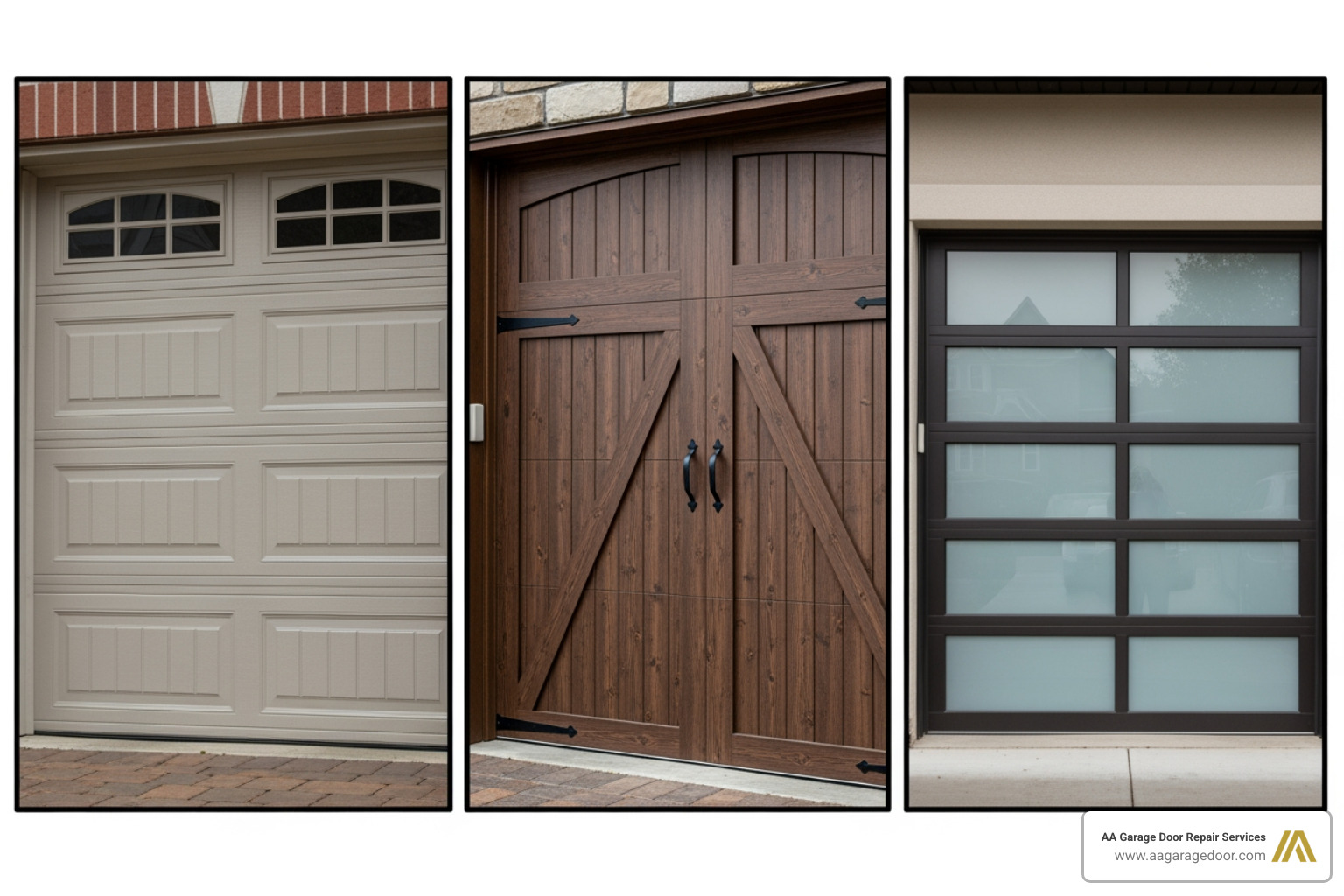
Beyond performance, a 14×12 insulated garage door makes a significant aesthetic statement. Modern manufacturing offers a wide array of materials, panel designs, and colors to perfectly match your home’s style.
Common Materials for Durability and Style
The material you choose impacts the door’s appearance, maintenance needs, and longevity. Steel remains the most popular choice for its balance of strength and value.
Steel; 24-Gauge Steel; Low Maintenance; Durability; Is a Steel Garage Door Right For Your Family?: Steel is the workhorse of garage door materials. It’s incredibly durable, resistant to rust (especially galvanized steel with baked-on finishes), and requires minimal maintenance. For a 14×12 insulated garage door, 24-gauge steel is a common and robust choice, offering excellent dent resistance. Steel doors can be painted in a wide array of colors or even have a wood grain embossed finish, mimicking the look of natural wood without the upkeep.
Faux Wood Composite; Wood-Look without Maintenance; Curb Appeal; Explore Wood and Composite Doors: If you love the warm, rich look of wood but want to avoid the significant maintenance, faux wood composite is an excellent alternative. These doors are crafted from durable materials, often with steel or fiberglass cores, and finished to replicate various wood species and grain patterns. They offer exceptional curb appeal and are highly resistant to rot, warping, and pests, making them a popular choice for homeowners seeking both aesthetics and practicality.
Aluminum; Lightweight; Rust-Resistant; Modern Designs: Aluminum garage doors are known for their modern, sleek aesthetic, often featuring large glass panels. They are lightweight, naturally rust-resistant, and can be anodized or powder-coated in various colors. While generally less impact-resistant than steel, their contemporary appearance makes them a favorite for modern homes. When insulated, they can still achieve good thermal performance.
Wood; Natural Beauty; Higher Maintenance; Custom Wood Garage Door Cost Guide: For unparalleled natural beauty and a classic, luxurious look, real wood garage doors are hard to beat. They offer warmth and character that other materials can only imitate. However, wood requires significant maintenance, including regular painting or staining, to protect it from the elements. While beautiful, wood doors are often a higher investment both upfront and over their lifespan due to maintenance.
Panel Designs and Customization
From traditional to contemporary, you can customize your door to be a standout feature of your home. The panel design of your 14×12 insulated garage door profoundly impacts its overall appearance, allowing you to match or improve your home’s architectural style.
List of Panel Designs:
- Raised Panel (Short/Long): This classic design features rectangular sections that are “raised” from the surface, creating a traditional, dimensional look. Available in short or long panel configurations.
- Flush Panel: A smooth, flat surface that offers a clean, minimalist, and contemporary aesthetic.
- Carriage House: Evokes the charm of old-world swing-out carriage doors with decorative hardware and often a wood-grain texture. These are very popular for adding character.
- Ribbed Panel: Features horizontal ribs or grooves, providing a subtle texture and industrial-modern feel, often seen in commercial applications but also suitable for certain residential styles.
Window Options; Natural Light; Insulated Glass; Decorative Inserts: Windows can dramatically change the look and functionality of your garage door. They allow natural light into the garage, which is particularly beneficial if you use the space as a workshop or hobby area. For an insulated door, choosing insulated glass is crucial to maintain thermal performance. You can also select from a variety of decorative inserts, grid patterns, or glass types (clear, obscure, frosted, dark tint) to improve privacy or add a unique design element. Options like DecraTrim Window Inserts or DecraGlass™ Windows offer extensive customization.
Color Choices; Standard Colors (White, Black, Brown); Custom Painting; See our Custom Built Garage Doors Ultimate Guide: The color of your 14×12 insulated garage door is another vital design decision. Standard colors like white offer a classic, timeless look. Black garage doors provide a dramatic, modern statement that’s increasingly popular. Brown can be a more unusual choice, but can complement certain home styles. Many steel doors are available in a wide array of factory-applied colors (some manufacturers offer 700+ options!). While steel doors can be custom painted with exterior latex paint, be aware that non-factory painting typically voids the paint finish warranty.
Cost and Installation of a 14×12 Insulated Garage Door
Understanding the total cost involves factoring in the door itself, the quality of insulation, and the price of professional installation—a non-negotiable for a door of this size and weight.
What is the Typical Price Range?
The price for a 14×12 insulated garage door can range from approximately $3,000 to over $7,000, depending on the material, R-value, style, and window options. While a higher initial cost, the long-term energy savings and increased home value provide a strong return on investment.
Price Factors; Material Costs; R-Value Impact; Brand Differences; Get a better idea of How Much Custom Garage Doors Cost: Several elements contribute to the final price tag of a 14×12 insulated garage door. Material plays a big role: steel is generally more affordable than wood or high-end faux wood composites. The R-value of the insulation significantly impacts cost, with higher R-values (typically from polyurethane) commanding a higher price. Brand reputation, specific panel designs, window choices, and hardware upgrades will also influence the total. For commercial models, we’ve seen insulated 14×12 doors range from roughly $3,043 to $3,500, but residential options with more aesthetic features can easily exceed this.
Installation Costs; Labor; Hardware; Opener: Installation costs are a separate but essential consideration. For a door of this size, installation involves significant labor due to the door’s weight and the complexity of spring systems. This includes the cost of the professional technicians, any necessary hardware (tracks, rollers, hinges, springs), and potentially a new, heavy-duty garage door opener designed to handle the larger, heavier door.
Long-Term Value; Energy Bill Reduction; ROI: While the upfront cost of a 14×12 insulated garage door might seem substantial, it’s an investment that offers considerable long-term value. The energy bill reduction, especially in our cold Minnesota and Western Wisconsin winters, can be significant. Combined with the improved durability, noise reduction, and the impressive 94.5% return on investment at resale, an insulated door proves to be a wise financial decision for many homeowners.
Professional Installation and Maintenance

Due to their immense weight and the high tension of their spring systems, 14×12 insulated garage doors require expert installation to ensure safety, proper function, and warranty protection. This is not a DIY project.
Safety; High-Tension Springs; Heavy Weight; Professional Garage Door Installation: A 14×12 insulated garage door can weigh hundreds of pounds. More critically, the torsion spring system used to counterbalance this weight is under extreme tension. Improper handling can lead to severe injury or even death. Our professional technicians are trained to safely install these complex systems, ensuring all components are correctly balanced and secured. This also ensures your manufacturer’s warranty remains valid.
Technical Requirements; Headroom; Backroom; Structural Support: Installing a large garage door like a 14×12 requires specific technical considerations. Adequate headroom (space above the door opening) and backroom (space into the garage for the tracks) are essential. The garage structure itself must be capable of supporting the weight of the door and the forces exerted by the track system. Our team can assess your garage’s specifications to ensure proper fit and structural integrity.
Routine Maintenance; Lubrication; Inspection; Cleaning; Our Guide to Garage Door Maintenance: Even the best 14×12 insulated garage door requires regular maintenance to ensure its longevity and smooth operation. This includes lubricating moving parts, inspecting springs and cables for wear, and cleaning the door surface. Regular maintenance not only prolongs the life of your door but also prevents costly repairs down the line. We recommend professional maintenance at least once a year, especially given the harsh climate in St. Paul and surrounding areas.
Local Expertise; St. Paul; Twin Cities; Western WI; Garage Door Repair St Paul Guide: When dealing with such a significant investment, local expertise is invaluable. Our team at AA Garage Door has been serving St. Paul, the Twin Cities, and Western Wisconsin since 2001. We understand the specific climate challenges and building codes in our region, ensuring your 14×12 insulated garage door is installed correctly and performs optimally for years to come. Whether you’re in St. Paul, Baldwin WI, Woodbury MN, or Hudson WI, we’re your trusted local partner.
Frequently Asked Questions about 14×12 Insulated Garage Doors
We often get questions about large insulated garage doors. Here are some of the most common ones we hear from homeowners and business owners in the St. Paul area:
What is a good R-value for a 14×12 garage door in a cold climate?
For a cold climate like Minnesota or Western Wisconsin, an R-value of R-12 or higher is highly recommended, especially for an attached garage. This level of insulation provides significant energy savings, prevents heat loss, and maintains a more comfortable temperature in the garage and adjacent living spaces. If your garage is heated, or if you use it as a living extension (like a workshop or office), aiming for an R-value of R-16 to R-18+ will offer superior thermal performance and comfort.
Can I install a 14×12 insulated garage door myself?
DIY installation of a 14×12 insulated garage door is strongly discouraged. These doors can weigh over 400 pounds, and their torsion spring systems are under extreme tension, posing a serious risk of injury or property damage if handled improperly. Professional installation is essential for safety, correct balancing, and ensuring your warranty remains valid. Our certified technicians have the specialized tools, training, and experience to install these large, heavy doors safely and efficiently.
What is the most durable material for a large insulated garage door?
Steel is the most popular and durable material for a 14×12 insulated garage door. A three-layer “sandwich” construction with steel on the interior and exterior and a core of polyurethane insulation offers the best combination of strength, dent resistance, and high thermal performance. This construction method creates a rigid, robust door that can withstand impacts and the rigors of daily use, making it an excellent choice for longevity and peace of mind.
Your Partner for the Perfect 14×12 Garage Door
A 14×12 insulated garage door is a powerful upgrade that improves your home’s energy efficiency, functionality, and curb appeal. By choosing the right materials, R-value, and design, you create a long-lasting asset for your property. Because of the size and complexity, always rely on experienced professionals for selection and installation. For homeowners in St. Paul, the Twin Cities, and Western Wisconsin, the team at AA Garage Door has provided expert guidance and reliable service since 2001. Ready to find the perfect door for your home? Explore our complete range of insulated garage doors and request your free estimate today.