Why Your Garage Door Cables Are Critical for Safety
Cable garage door repair is one of the most safety-critical services a homeowner will ever need on a garage door system. A snapped cable can instantly turn a 150- to 400-pound door into a free‑falling hazard. For homeowners in St. Paul, the Twin Cities, and Western WI, the safest first step is to rely on local garage door experts who understand high‑tension door systems and regional climate challenges. When handled correctly, timely cable repairs protect your family, your vehicle, and the rest of your door hardware from catastrophic failure.
Cable garage door repair becomes an urgent necessity when you see a crooked door, hear a loud snap, or find frayed cables. A snapped cable can make your door dangerously inoperable. For homeowners seeking reliable garage door services, understanding this issue is key to home safety. If you suspect a cable problem, follow these immediate steps.
Quick Action Guide for Cable Problems:
- Stop all use of the door immediately.
- Disconnect the automatic opener by pulling the red release cord.
- Secure the area to keep people and pets away.
- Inspect for visible damage like frayed or loose cables.
- Call a professional for repair, as the high-tension system is dangerous.
Garage door cables and springs work together to lift doors weighing 150 to 400 pounds. When a cable fails, the door can fall unexpectedly, posing a risk of serious injury or property damage. As the owner of AA Garage Door LLC, I, David Sands, have provided expert cable garage door repair in Minnesota and Wisconsin since 2001, and I’ve seen how prompt action prevents disaster.
Understanding the Role of Garage Door Cables
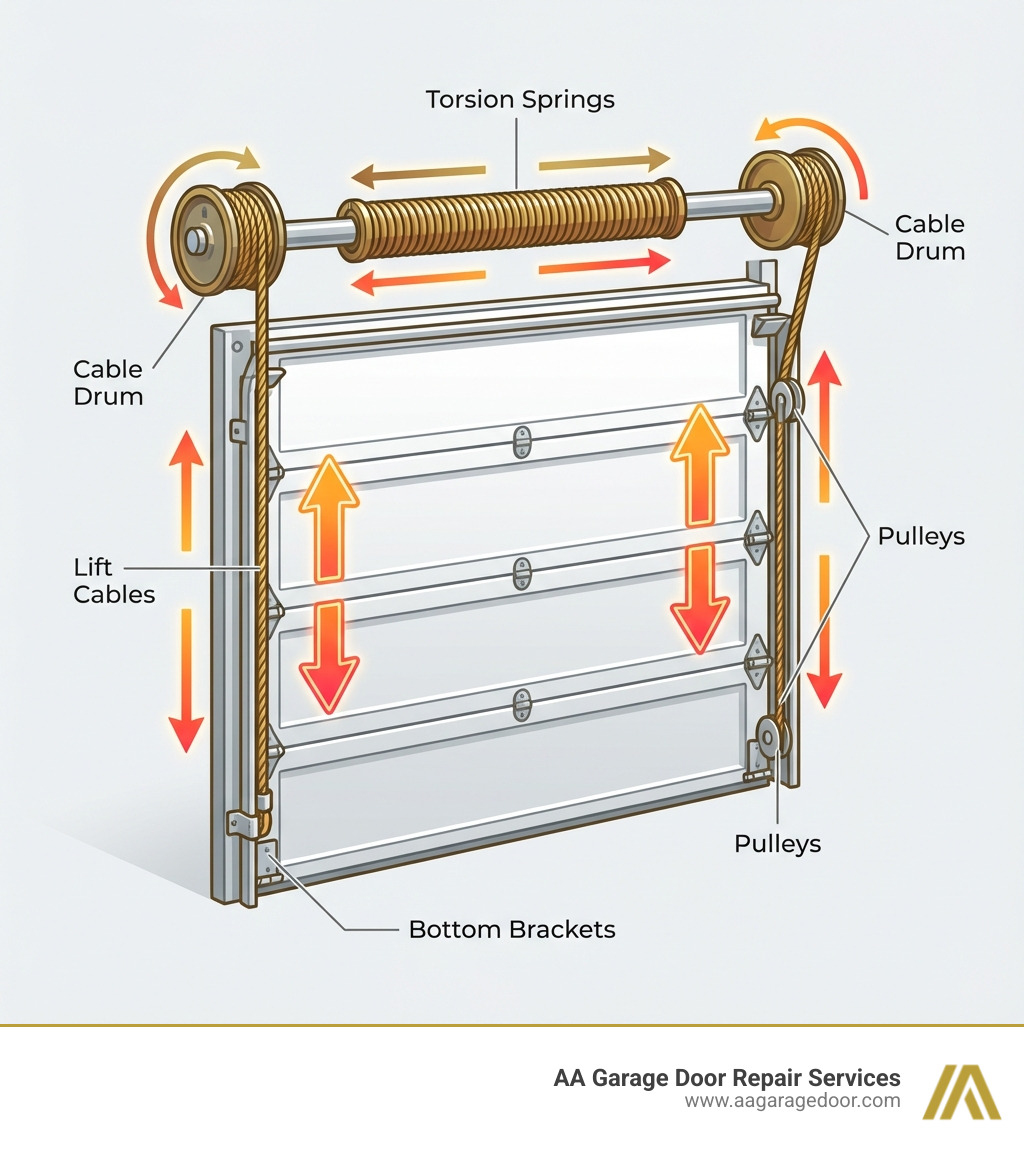
Garage door cables are the critical link in your door’s counterbalance system, working with the springs to manage the door’s immense weight. They allow the opener to move the door smoothly by winding and unwinding from drums, ensuring the weight is evenly distributed. This balance is what prevents the door from crashing down. Because they are under constant tension, cables are prone to wear. A small fray can quickly lead to a snapped cable and a major safety hazard.
The Dangers of a Broken Cable
A broken garage door cable creates an immediate safety hazard. The door loses support on one side, causing a dangerous imbalance that can make it fall suddenly. This poses a severe risk of injury to anyone nearby and can cause significant damage to your vehicle or property. Attempting to operate an imbalanced door can also damage tracks, rollers, and the opener, leading to more complex and expensive repairs. For this reason, homeowners in areas like St. Paul, MN should seek professional help immediately.
Your Garage Door’s Lifting System Explained
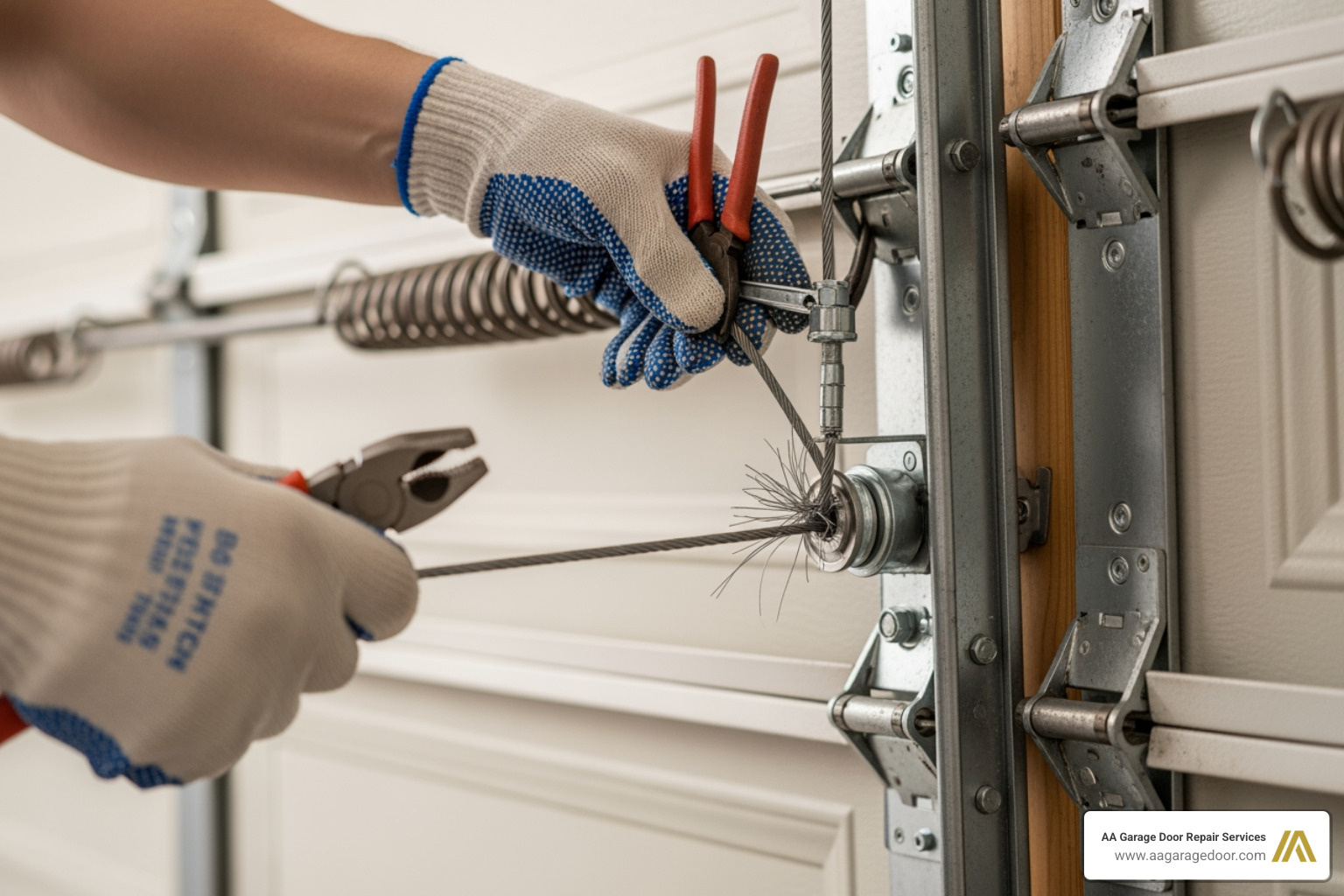
Understanding your garage door’s lifting system helps you recognize problems early. This system is a finely tuned machine where every component is vital for safe operation.
Key Components for Cable Garage Door Repair
To understand cable garage door repair, know the core components:
- Springs: The powerhouse of the system, storing energy to lift the door. The two main types are torsion springs (above the door) and extension springs (along the side tracks).
- Cables: Steel wires that connect the springs to the door, transferring energy to lift and lower it.
- Pulleys: Small wheels that guide the cables, primarily in extension spring systems, to ensure smooth movement.
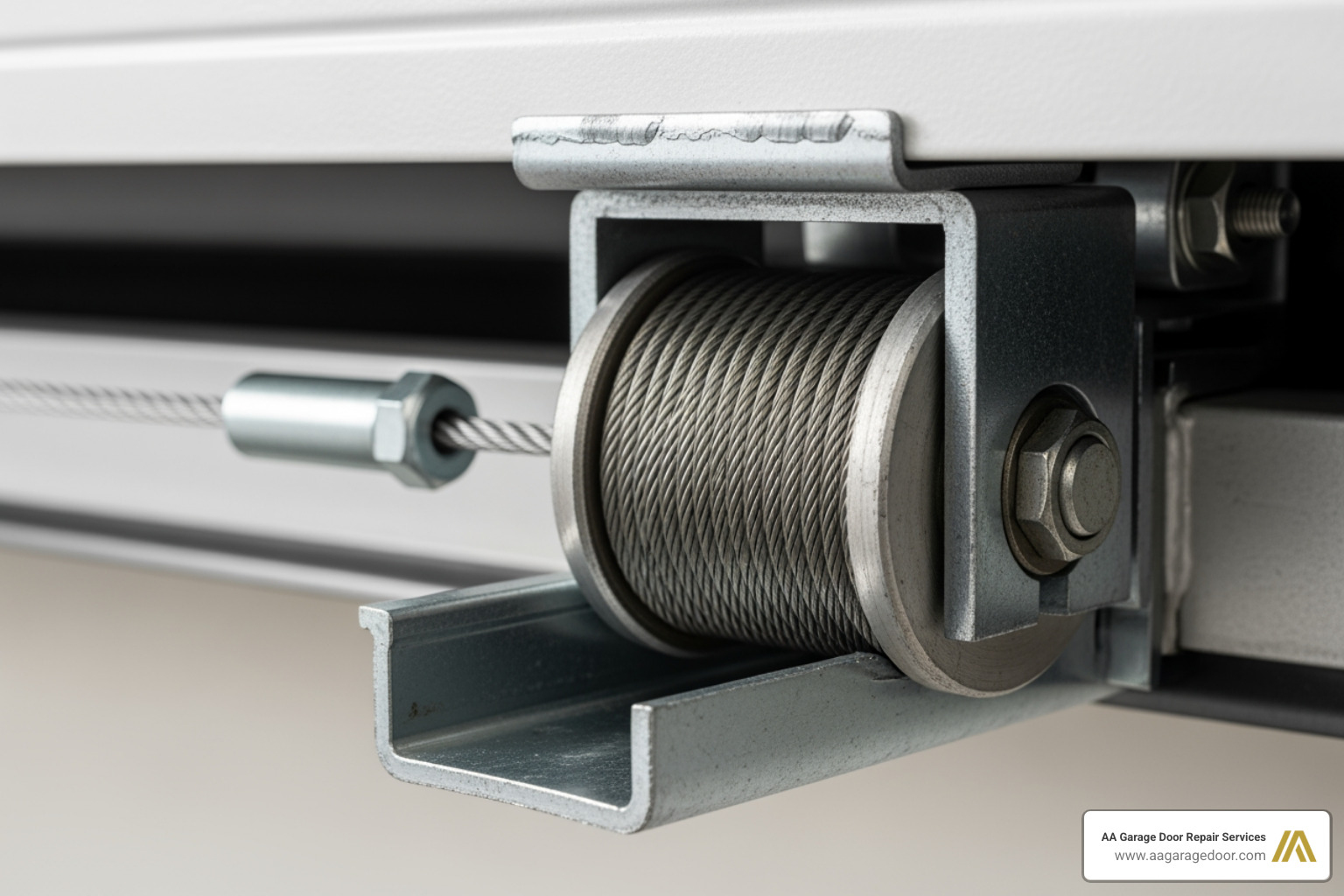
- Cable Drums: Grooved cylinders on each end of the torsion shaft. The lift cables wrap around these drums.
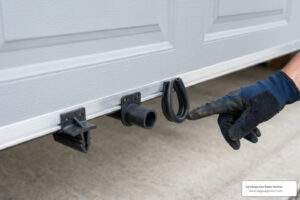
- Bottom Brackets: Sturdy brackets on the bottom corners of the door where the cables attach.
- Tracks: The metal guides that the door’s rollers move within, ensuring proper alignment.
Each part must be in excellent condition for the door to work safely.
Torsion vs. Extension Springs: How They Affect Your Cables
The type of spring system determines the cable setup and function.
| Feature | Torsion Spring System | Extension Spring System |
|---|---|---|
| Spring Location | Mounted horizontally above the garage door opening. | Mounted along the horizontal tracks on either side of the garage door. |
| Cable Function | Lift Cables attach to bottom brackets, run up, and wrap around cable drums on the torsion shaft. They coil and uncoil with the springs to lift/lower the door. | Lift Cables attach to bottom brackets, run through pulleys, and connect to the extension springs. |
| Safety Cables | Not typically present as separate components, as the torsion tube acts as a safety measure. | Retaining Cables run inside the extension springs to prevent them from flying dangerously if they break. |
| Operation | Springs twist (torsion) to store energy; cables wind/unwind on drums. | Springs stretch (extend) to store energy; cables pull directly on springs via pulleys. |
In a torsion spring system, the springs twist to store energy. As the door opens, lift cables wrap around the cable drums, pulling the door up. In an extension spring system, springs run parallel to the tracks and store energy by stretching. Lift cables run through pulleys and attach to the springs. A critical component here is the retaining cable that runs through the center of each extension spring. If a spring breaks, this cable prevents it from flying across the garage, which could cause severe injury or damage. Understanding these differences is key, as repair procedures vary significantly.
Warning Signs: How to Know Your Cables Need Attention
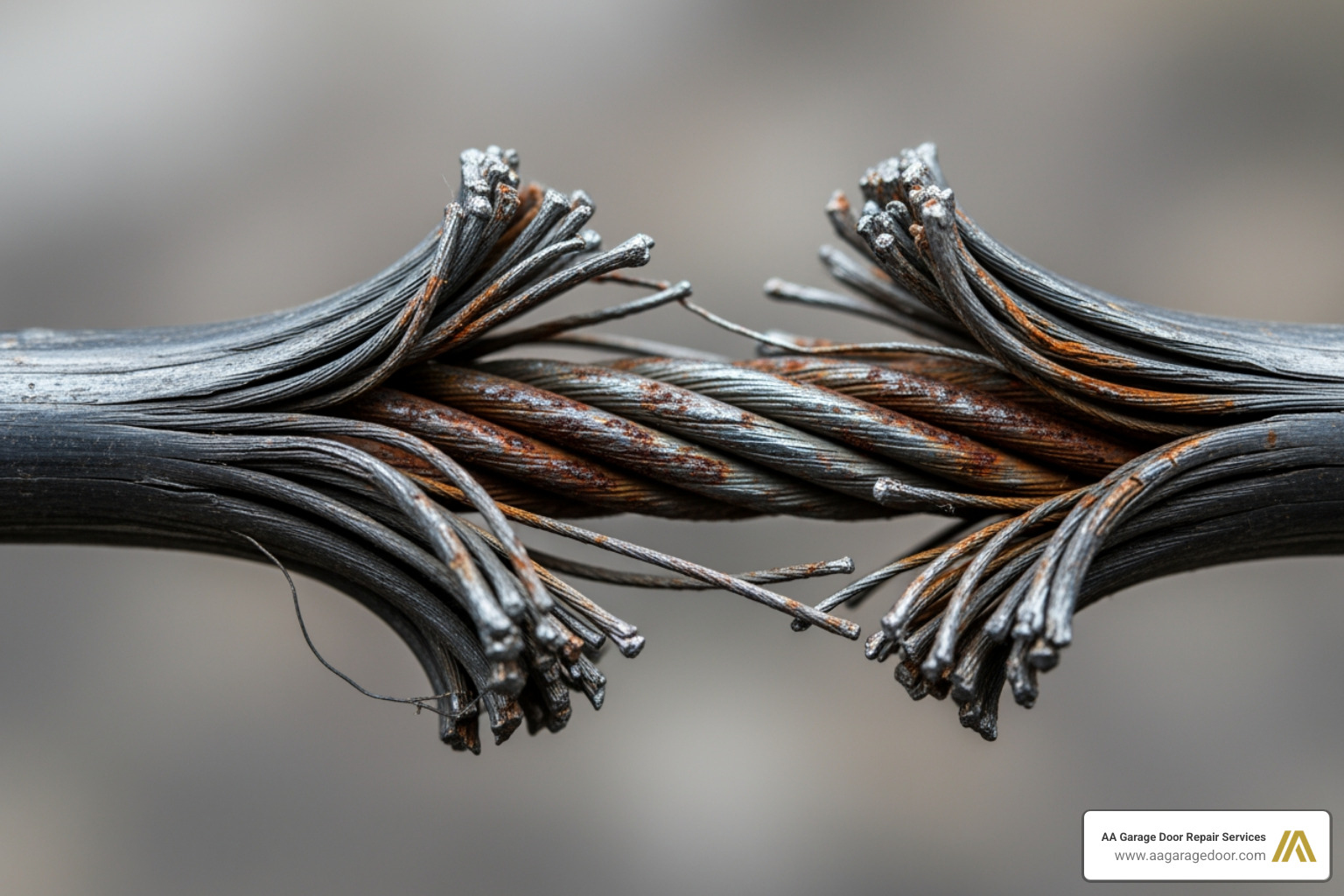
Garage door cables are wear items, just like tires or brake pads, and they inevitably degrade with use and exposure. Homeowners who perform simple visual checks a few times a year dramatically reduce the odds of sudden cable failure. In climates like Minnesota and Western Wisconsin, where road salt, snow, and moisture are common, proactive inspection is especially important because corrosion advances faster on untreated steel components.
Garage door cables lift hundreds of pounds daily, leading to inevitable wear and tear. Spotting warning signs early is crucial for preventing sudden failures and ensuring safety in homes across St. Paul, Baldwin, or Woodbury. Ignoring these indicators often leads to more complex and expensive cable garage door repair.
Visual Red Flags: Fraying, Rust, and Visible Damage
Regularly inspect your garage door cables for these clear signs of distress:
- Frayed Strands or Broken Wires: If you see individual wire strands breaking or solveing, the cable’s integrity is compromised and it could snap.
- Corrosion and Rust: Rust weakens the steel cables, making them brittle and prone to breaking. Any reddish-brown discoloration is a cause for concern, especially in the climates of Minnesota and Wisconsin.
- Kinks in the Cable: An unnatural bend or twist in the cable creates a weak point that can lead to premature failure.
- Loose or Slipped Cables: A slack cable or one that has slipped off its drum or pulley indicates a problem. The door is not properly supported, which can cause uneven movement.
If you see any of these red flags, stop using the door and call a professional.
Performance Problems That Point to Cable Issues
Sometimes, the door’s behavior is the first sign of a cable problem:
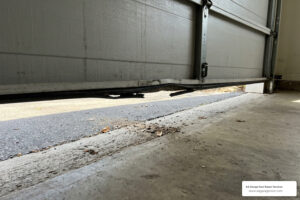
- Crooked Garage Door: If one side of the door is higher than the other, a cable may be broken, loose, or improperly tensioned.
- Door Off Track: A door that isn’t lifting evenly due to a cable issue can twist and pull the rollers out of the tracks.
- Door Slams Shut or Won’t Stay Open: While often a spring issue, this can also involve cables that are not properly transferring tension, making the door dangerously heavy.
- Jerky or Uneven Movement: A healthy door moves smoothly. Jerking or shaking can indicate that cables are binding or misaligned.
- Strange Grinding or Scraping Noises: Grinding can mean a cable is rubbing against another part, while scraping may indicate the door is dragging due to uneven lifting.
- Door Won’t Open or Close Fully: Damaged cables may prevent the proper transfer of force, causing the door to stop midway.
Any of these performance issues require immediate investigation by a qualified technician to prevent a more dangerous and costly situation.
The Complete Guide to Cable Garage Door Repair
While we strongly recommend professional cable garage door repair due to extreme safety risks, understanding the process highlights its complexity. Never attempt these steps without proper training, tools, and a full understanding of the dangers involved.
Step 1: Implement Critical Safety Precautions
Safety is the absolute priority. Garage door systems operate under immense tension that can cause severe injury or death if mishandled.
- Disconnect Power: Unplug the garage door opener to prevent accidental activation.
- Secure the Door: Use C-clamps on the tracks just below the bottom roller on each side to prevent the door from falling.
- Wear PPE: Always use heavy-duty work gloves and safety glasses.
- Never Touch Springs Under Tension: This is the most critical rule. Torsion springs require special winding bars and professional expertise to adjust safely. Attempting this without proper knowledge is extremely dangerous.
- Clear the Area: Ensure no people or pets are in the garage during inspection or repair.
These precautions are non-negotiable. If you are ever unsure, call a professional.
Step 2 (Option A): Fixing a Slipped or Tangled Garage Door Cable
This issue still requires careful handling and professional expertise for torsion spring systems.
- Ensure Safety: Follow all precautions from Step 1.
- Release Spring Tension (Professional Step): For torsion spring systems, a trained professional must release the spring tension using winding bars before the cable can be handled. This is a highly dangerous step.
- Re-wrap the Cable: Once the system is safe, guide the cable back onto its drum or pulley, ensuring it sits correctly in the grooves.
- Inspect Components: Check the drum or pulley for damage that may have caused the slip and replace if necessary.
- Re-apply and Adjust Tension (Professional Step): A professional must reset the spring tension to ensure the door is properly balanced.
Step 2 (Option B): Replacing a Broken Garage Door Cable
Replacing a broken cable is even more complex and dangerous.
- Secure the Door and Disconnect Power: Prioritize safety by unplugging the opener and clamping the door.
- Unwind Springs (Professional Step): For torsion systems, the springs must be completely unwound by a professional technician before the old cable can be removed. This is not a DIY task.
- Remove the Old Cable: Once the tension is released, detach the broken cable from the bottom bracket and the drum or pulley system.
- Install the New Cable: Attach the new cable to the bottom bracket. For torsion systems, wind it onto the cable drum. For extension systems, thread it through the pulleys to the spring. We recommend high-quality parts like these corrosion-resistant galvanized cables for longevity.
- Wind Springs and Adjust Tension (Professional Step): A technician must re-wind the torsion springs to the correct tension, specific to your door’s weight and height, and ensure both cables are equally tensioned.
- Test the Door: After a final safety check, remove clamps, reconnect power, and test the door’s full cycle.
Given the dangers, entrusting cable garage door repair to experienced professionals is the only safe choice.
DIY vs. Professional Repair: Making the Smart Choice
While DIY home repair can be rewarding, cable garage door repair is a project that falls squarely into the “call a professional” category. The risks associated with the high-tension components are simply too great, especially in areas like Hudson, WI, where weather can accelerate wear.
The Challenges of a DIY Cable Garage Door Repair
Attempting to fix garage door cables yourself is incredibly dangerous, primarily due to the immense tension stored in the springs. An unexpected release of this energy can cause severe injury or even death.
Key challenges and risks include:
- Risk of Severe Injury: The force in garage door springs is enough to cause catastrophic harm. Without specialized tools (like winding bars) and training, adjusting them is hazardous.
- Incorrect Installation: An improperly installed cable or incorrectly tensioned spring will create an unbalanced door. This leads to erratic operation, damage to the tracks and opener, and more costly future repairs.
- Voiding Your Warranty: Many manufacturers will void a warranty if repairs are performed by an unlicensed individual.
- Using the Wrong Parts: Cables come in specific gauges and lengths. The wrong choice can compromise the entire system’s safety and longevity.
Online guides often oversimplify this complex and unforgiving process.
When to Immediately Call a Professional Technician
For homeowners in St. Paul, the Twin Cities, or Western WI, certain situations demand an immediate call to a professional. Contact an expert if you encounter any of the following:
- A Broken Torsion Spring: If the large spring above your door has a visible gap, do not touch it. It is under extreme tension.
- A Fallen or Stuck Door: A crashed, severely crooked, or immobile door indicates a major system failure.
- Multiple Broken Parts: If cables, springs, and rollers are all visibly damaged, the system’s integrity is compromised.
- Lack of Proper Tools or Expertise: If you don’t own winding bars or have experience with high-tension systems, do not attempt the repair.
- Any Uncertainty: If you feel unsure at any point, prioritize your safety and call a professional.
- An Urgent Situation: If your car is trapped or your home is not secure, a professional can provide fast, reliable service.
A trained technician has the tools and experience to perform the repair safely, ensuring your door functions correctly.
Frequently Asked Questions about Garage Door Cables
Homeowners in Minneapolis, St. Paul, and surrounding areas often have questions about their garage door cables. Clear answers to these FAQs help you decide when to schedule maintenance and when to prioritize emergency repair.
How much does it cost to repair a garage door cable?
The cost for cable garage door repair typically ranges from $150 to $400. The final price depends on the garage door type, whether one or both cables are replaced, and local labor rates. Replacing both cables at once, which usually costs $200 to $400, is recommended for balanced operation and to prevent future failures. If other components like springs need adjustment, the cost may increase slightly. While DIY seems cheaper, the risk of injury and improper installation can lead to far greater expenses.
How long do garage door cables typically last?
Most garage door cables last 7 to 10 years with normal use. Several factors influence this lifespan:
- Material Quality: High-quality, corrosion-resistant galvanized steel cables last longer.
- Frequency of Use: Doors used multiple times a day will wear out cables faster.
- Maintenance: Regular inspection and lubrication can significantly extend cable life.
- Environment: The humidity and temperature swings in Minnesota and Wisconsin can accelerate rust and corrosion.
Annual professional inspections are recommended to catch wear before it becomes a critical problem.
Can I open my garage door if a cable is broken?
No, it is incredibly unsafe to try and open a garage door with a broken cable. The door is no longer balanced and is supported by only one cable. Attempting to open it, manually or with the opener, can cause the door to crash down, come off its tracks, or cause the second cable to snap. This can lead to severe injury and extensive damage to the door, tracks, and opener.
If you find a broken cable, take these steps:
- Stop using the door immediately.
- Unplug the automatic opener.
- Contact a professional garage door repair service.
Your safety is not worth the risk.
Conclusion: Ensuring Your Garage Door is Safe and Secure
Maintaining your garage door cables is a critical safety measure for your home and family. This guide highlights the importance of the cable and spring system, how to recognize signs of wear, and why professional intervention is essential. Regular maintenance and timely cable garage door repair prevent dangerous accidents and extend the life of your entire garage door system.
While DIY may be tempting, the high-tension components make professional expertise non-negotiable for your safety.
For reliable and safe assistance in St. Paul, the Twin Cities, or Western WI, contact our experts at AA Garage Door Repair Services by calling (651) 702-1420 or schedule your garage door repair service online. Our 24/7 emergency response, transparent pricing, and local experience since 2001 ensure your garage door operates smoothly and safely for years to come.