Why Garage Door Cable Maintenance Matters for Safety and Performance
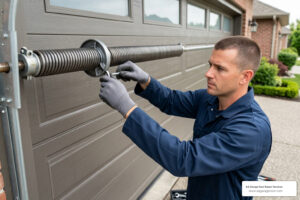
Garage door cable maintenance is essential for keeping your door operating safely and preventing catastrophic failures. These steel cables work under extreme tension to lift and lower doors weighing up to 350 pounds, and neglecting them can lead to dangerous situations. As a leading provider of comprehensive garage door solutions, we’ve seen how a simple maintenance routine can dramatically extend cable life and prevent the kind of sudden failure that leaves your car trapped inside or causes serious injury.
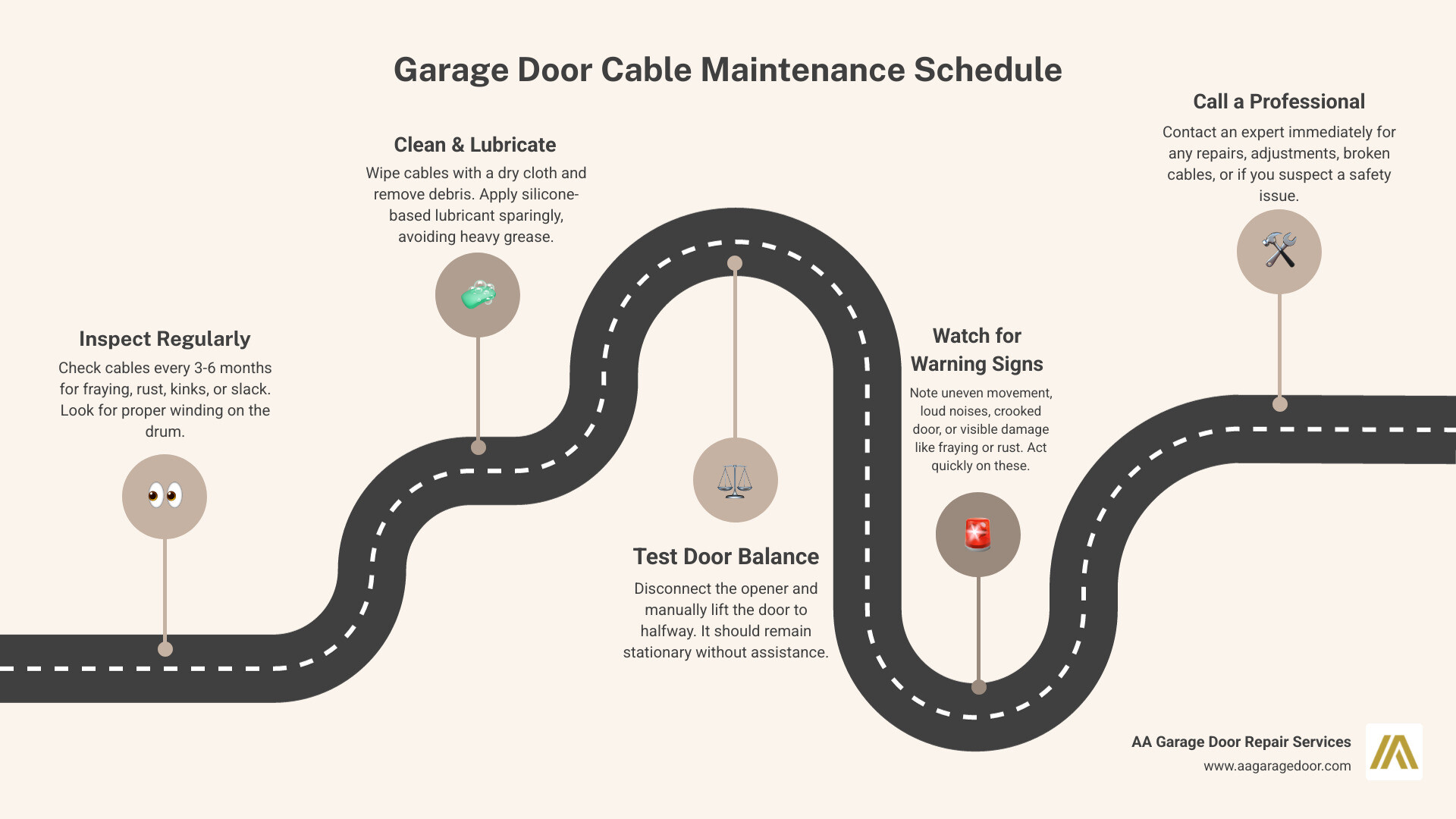
Quick Guide to Garage Door Cable Maintenance:
- Inspect every 3-6 months – Check for fraying, rust, kinks, or slack
- Clean regularly – Wipe cables with a dry cloth and remove debris
- Lubricate sparingly – Use silicone-based lubricant, not heavy grease
- Test door balance – Door should stay halfway open when manually lifted
- Watch for warning signs – Uneven movement, loud noises, or visible damage
- Call a professional – For any repairs, adjustments, or broken cables
Most modern residential garage doors weigh between 130 and 350 pounds, and the average garage sees 1,500+ cycles per year—meaning your cables are stressed 3,000 times annually. Under normal conditions, cables typically last 7-10 years, but severe weather, neglected maintenance, or unbalanced doors can shorten that to 3-5 years.
I’m David Sands, Owner of AA Garage Door LLC, and I’ve been providing professional garage door services across Wisconsin and Minnesota for over 23 years. Throughout that time, I’ve seen how proper garage door cable maintenance prevents emergency repairs and keeps families safe, which is why I’m committed to helping homeowners understand these critical components. For top-rated service in the Twin Cities area, including St. Paul, we’re always here to help.
Garage door cable maintenance terminology:
Understanding Your Garage Door Cables: The Unsung Heroes
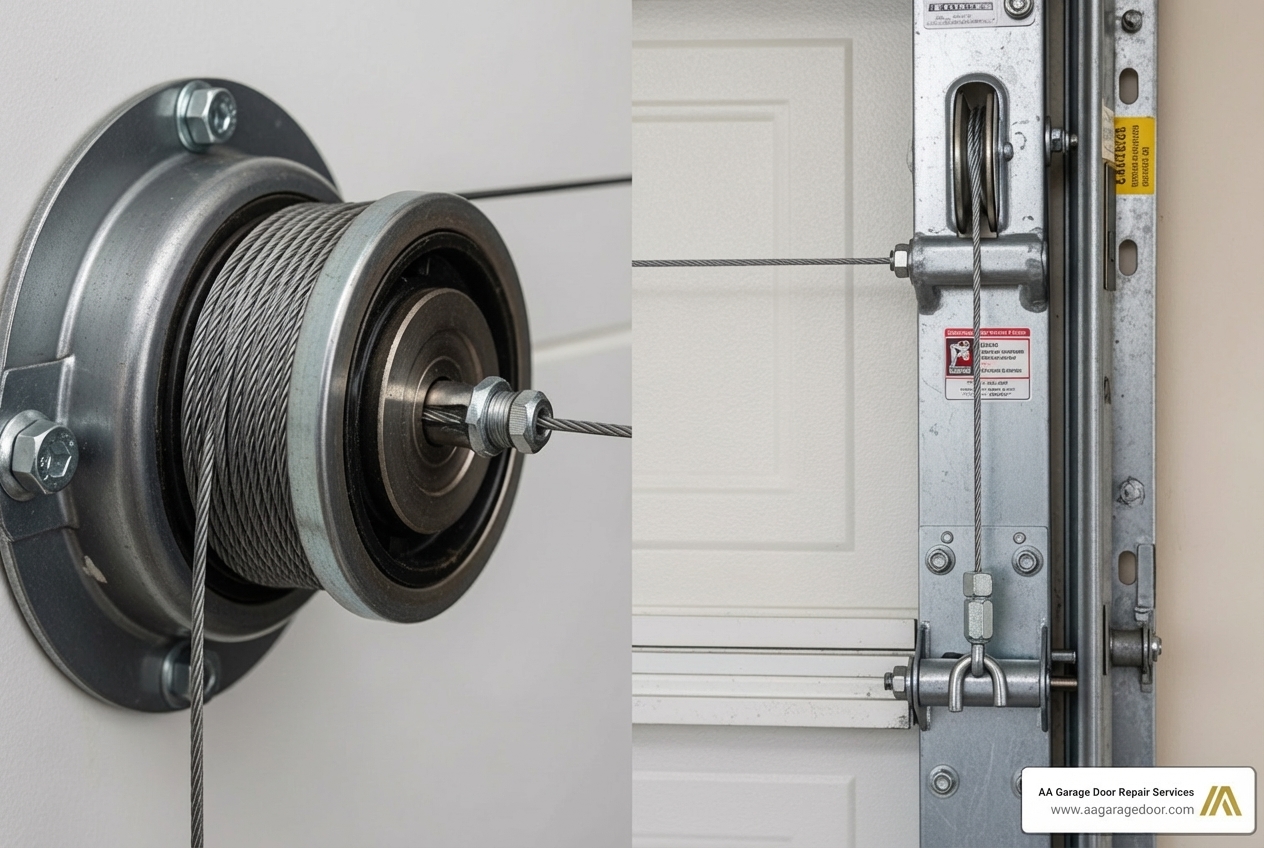
Garage door cables are the vital link that transfers energy from the springs to lift the door. Made from bundles of galvanized aircraft-grade steel, these cables bear the full weight of your door, which can range from 130 to 350 pounds. Their design and function differ based on your garage door’s spring system.
The Primary Function of Garage Door Cables
Garage door cables are the workhorses of your garage door system, performing several critical functions that ensure smooth and safe operation. Their primary role is to transfer the lifting force from the springs to the door itself. Without them, your garage door opener would struggle immensely, as it’s the springs and cables that do the heavy lifting.
Beyond just lifting, cables are crucial for counterbalancing the door’s weight, making it feel lightweight enough for the opener (or you) to move. They ensure balanced movement, allowing both sides of the door to rise and fall in unison, preventing jerky or uneven operation. Furthermore, they provide a layer of safety redundancy, working with the springs to prevent sudden drops. Understanding these components is key to appreciating your entire garage door system.
Cable Types: Torsion vs. Extension Spring Systems
Not all garage door cables are created equal; their design and function are intrinsically linked to the type of spring system your garage door uses.
Torsion Spring Cables: These cables are typically thicker and are found on doors with torsion springs, which are located on a shaft directly above the garage door opening. The cables connect to the bottom corners of the door and wrap around cable drums on either end of the torsion shaft. As the door opens, the cables coil onto the drums, transferring the rotational energy from the springs to lift the door. When the door closes, the cables unwind, allowing the springs to store energy for the next lift. These cables are under immense tension and are directly responsible for lifting the door’s full weight.
Extension Spring Cables: For doors with extension springs, which run parallel to the horizontal tracks on either side of the door, there are two main types of cables:
- Lift Cables: Similar to torsion cables, these attach to the bottom corners of the door, run up and over a pulley, and then connect to the extension springs. They facilitate the lifting and lowering motion by engaging the springs.
- Retaining Cables (or Safety Cables): These are a crucial safety feature. They run through the center of each extension spring and are anchored at both ends to the garage wall or track. Their purpose is to contain the spring if it breaks, preventing it from lashing out and causing serious injury or property damage. This unique insight into the safety role of retaining cables highlights their importance, especially when considering how long garage door springs last.
Lifespan and Environmental Factors
The typical lifespan of garage door cables generally falls between 7 to 10 years under normal conditions. However, this can be significantly shortened to 3-5 years due to various factors. Our garage doors in places like Baldwin, WI, or Woodbury, MN, face diverse weather conditions that heavily influence cable longevity.
High usage is a major factor; the average garage door cycles over 1,500 times per year, meaning the cables are stressed approximately 3,000 times annually. This constant stress contributes to metal fatigue over time.
Environmental factors also play a critical role. Exposure to moisture, especially in garages without proper dehumidification, can double the speed of corrosion. This leads to rust, which weakens the cable’s core by oxidizing internal wires. In regions like ours where de-icing salt is used in winter, salt exposure can accelerate corrosion. Accumulation of dirt and debris can also cause friction and wear, further shortening the cables’ life.
Your Step-by-Step Guide to Garage Door Cable Maintenance
Regular maintenance is the single most effective way to ensure your garage door cables remain in safe, working condition. A simple inspection and cleaning routine can prevent premature wear, costly repairs, and dangerous failures. This proactive approach protects not only the cables but also the springs, opener, and tracks.
How Often to Inspect and Maintain
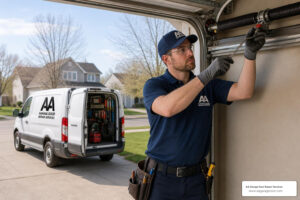
We recommend inspecting your garage door cables at least every 3-6 months. This regular visual check-up is crucial for catching potential issues early. Beyond your DIY efforts, scheduling an annual professional tune-up is a best practice. Our team at AA Garage Door Repair Services can perform a comprehensive inspection, ensuring all components, including cables, are in optimal condition. This aligns with our guidance on how often garage doors need maintenance. Additionally, it’s wise to perform extra checks after severe weather events, especially if there’s been heavy rain, ice, or significant temperature fluctuations.
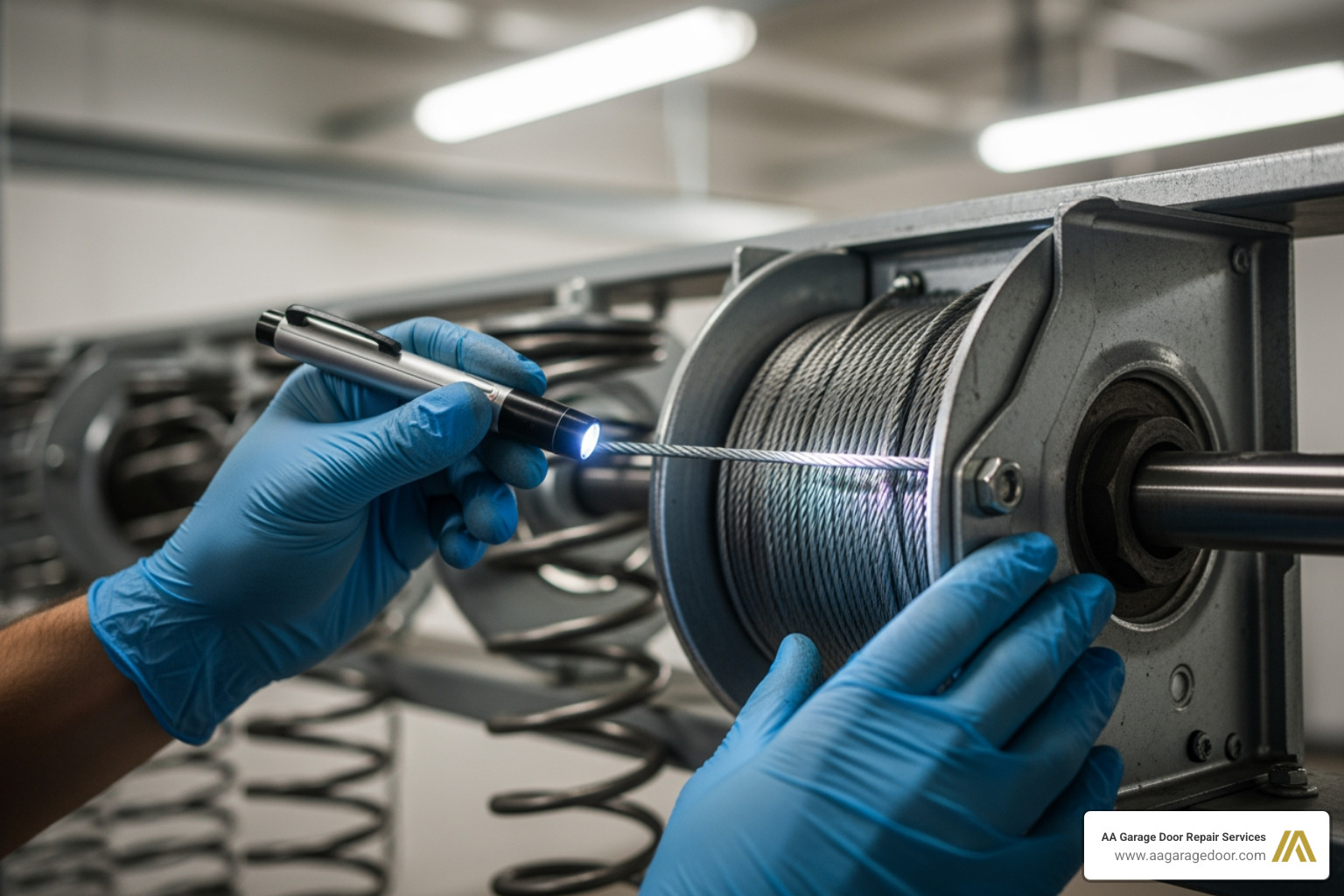
The Inspection Checklist: What to Look For
When performing your garage door cable maintenance inspection, here’s a checklist of critical points to observe:
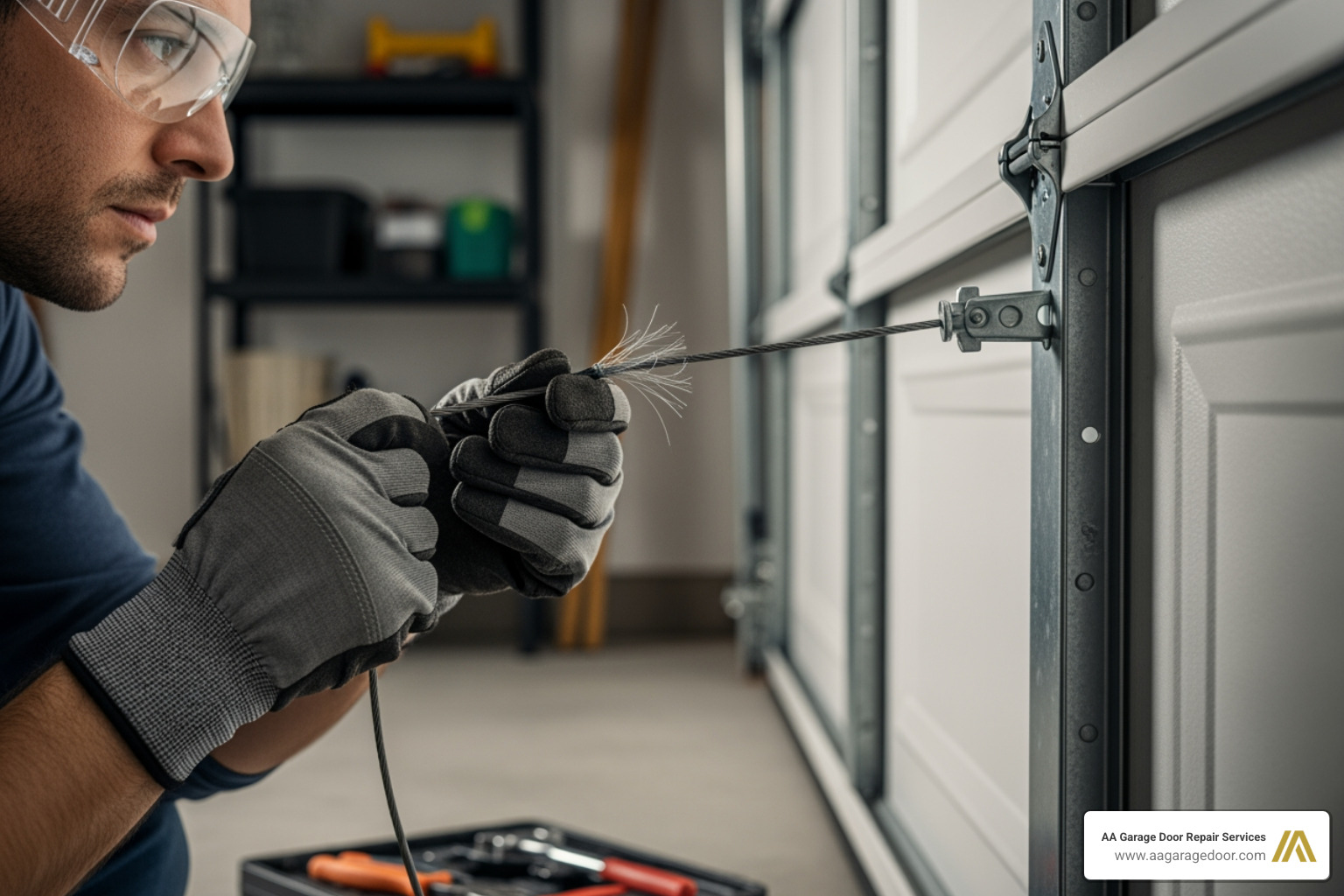
- Fraying or broken strands: Look closely for any individual wire strands that are broken or solveing. This is a clear sign of weakening.
- Rust or corrosion: Reddish-brown discoloration indicates rust, which compromises the cable’s strength.
- Kinks or bends: Cables should run smoothly and straight. Any sharp kinks or permanent bends suggest damage.
- Slack or loose cables: Cables should be taut. If they appear loose or saggy, especially when the door is closed, there’s a problem with tension or winding.
- Proper winding on drum: For torsion spring systems, ensure the cables are winding evenly and securely around the cable drums. They shouldn’t be overlapping or coming off the drum.
- Wear on pulleys: For extension spring systems, check the pulleys that the cables run through. Look for cracks, chips, or excessive wear, which can damage the cables.
A detailed professional inspection will cover these points and more, providing peace of mind.
Best Practices for Cleaning and Lubrication
Keeping your garage door cables clean and properly lubricated is vital for their longevity. Start by wiping the cables with a dry cloth to remove any loose dirt or dust. For stubborn grime or light surface rust, a mild degreaser can be used, applied to a cloth first, not directly to the cable.
It’s crucial to avoid heavy grease or oil-based lubricants on the cables themselves, as these can attract dirt and debris, turning them into an abrasive paste that causes more harm than good. Instead, use a silicone-based lubricant or a product specifically designed for garage door cables. Apply it sparingly, just enough for a light coating, and then wipe off any excess. A little goes a long way. This careful approach to lubrication is part of our comprehensive garage door lubrication service.
Checking Cable Tension and Door Balance
Proper cable tension and a well-balanced garage door are inseparable for safe and efficient operation. You can perform a simple visual check for sagging cables; they should always appear taut.
To check your door’s balance, first, ensure the door is fully closed. Then, disconnect your garage door opener by pulling the emergency release cord (usually a red handle). Now, manually lift the door about halfway. If the door stays in place without you holding it, it’s generally well-balanced. If it drifts up or down, it indicates an unbalanced door, meaning the springs are either too loose or too tight. An unbalanced door puts excessive strain on your cables, springs, and even the opener, leading to premature wear or failure. For more insights on this, check out our pro tips for maintaining and repairing your garage door.
Recognizing Trouble: When Cables Need Immediate Attention
Ignoring the warning signs of a failing garage door cable can lead to a cascade of problems, from a door that’s stuck shut to a catastrophic failure. Knowing what to look and listen for is key to catching issues before they escalate.
Common Signs of Worn or Damaged Cables
Recognizing the early indicators of cable trouble can save you from a major headache. If you notice any of these signs, it’s time for immediate action:
- Uneven or jerky movement: The door struggles or moves inconsistently when opening or closing.
- Crooked or off-balance door: One side of the door might appear lower than the other, or it might move faster on one side.
- Loud snapping or banging noises: A sudden, sharp noise often indicates a cable has snapped or come off its drum.
- Visible fraying or rust: As discussed, broken strands, rust, or corrosion are clear signs of compromised integrity.
- Door gets stuck: The door stops unexpectedly mid-operation, refusing to move further.
These are critical signs that it’s time to get your garage door serviced.
What Causes Cables to Break or Wear Out?
Several factors contribute to the wear and eventual breakage of garage door cables:
- Normal wear and tear: Over thousands of cycles, the constant friction and stress on the steel strands lead to gradual weakening.
- Metal fatigue: Repeated loading and unloading of tension causes the metal to fatigue and eventually break.
- Improper installation: Cables installed incorrectly, perhaps with too much or too little tension, will wear out faster.
- Unbalanced door stress: An unbalanced door forces the cables to bear uneven loads, accelerating wear on one side.
- Worn pulleys or rollers: Damaged or worn pulleys can create sharp edges or excessive friction, fraying the cables. Similarly, issues with garage door roller repair can impact cable integrity.
- Obstructions in the track: Anything that hinders the smooth movement of the door can cause cables to snag, fray, or even pop off the drums.
- Environmental factors: As mentioned, moisture, salt, and dirt significantly contribute to corrosion and abrasive wear.
Consequences of Ignoring Cable Issues
Ignoring problems with your garage door cables is like ignoring a ticking time bomb. The consequences can range from inconvenient to catastrophic:
- Complete door failure: A broken cable often means the door becomes inoperable, trapping your vehicle inside or leaving your garage exposed.
- Damage to tracks and rollers: When a cable breaks, the sudden shift in tension can cause the door to come off its tracks, bending them and damaging rollers.
- Over-straining the garage door opener: Without the cables and springs properly counterbalancing the door’s weight, the opener is forced to lift the full load, leading to premature motor burnout.
- Spring breakage: The remaining spring(s) will be subjected to excessive stress, likely leading to their failure soon after a cable breaks.
- Costly emergency repairs: What might have been a relatively simple cable adjustment can quickly escalate into a more expensive repair involving multiple components. Understanding garage door repair cost is important, and proactive maintenance is always cheaper than emergency fixes.
Safety First: The Dangers of Damaged Cables and DIY Repairs
A broken garage door cable is more than an inconvenience—it’s a serious safety hazard. The immense tension stored in the system can cause parts to snap and fly with dangerous force. For this reason, cable repair and replacement are jobs best left to trained professionals.
The High Risks of DIY Garage Door Cable Maintenance and Repair
We cannot stress this enough: attempting DIY repairs on garage door cables is extremely dangerous. Here’s why:
- Extreme spring tension: Garage door springs (especially torsion springs) are under tremendous tension, holding hundreds of pounds of force. Releasing or adjusting this tension without proper training and tools can lead to severe injury, including broken bones or even death.
- Risk of sudden door collapse: If cables are improperly handled or the door is not secured, it can fall unexpectedly, crushing anything or anyone beneath it.
- Lashing cables causing injury: A snapping cable can lash out with significant force, embedding itself in wood or shattering glass, and causing deep lacerations or other severe injuries to anyone in its path.
- Specialized tools required: Professionals use specific tools like winding bars, torque limiters, and drum calibration tools to safely manipulate the high-tension components. Homeowners rarely have these.
- Incorrect tensioning leads to failure: Even if you manage to replace a cable, incorrect tensioning will lead to an unbalanced door, premature wear on the new cable, and potential damage to other components.
- Voiding warranties: Many garage door and opener manufacturers will void warranties if repairs are attempted by an untrained individual.
This is precisely why cable work is among the garage door repairs best for the professionals.
How to Safely Close a Garage Door with a Broken Cable
If you find yourself with a broken garage door cable and need to get your door closed safely, follow these steps with extreme caution:
- Disconnect the opener: First, pull the emergency release cord (usually a red handle hanging from the opener trolley). This disconnects the door from the automatic opener.
- Have a helper: Ideally, enlist the help of another adult. Garage doors are heavy, and an extra set of hands makes manual lowering much safer.
- Manually lower the door slowly and evenly: With one person on each side of the door, grasp the bottom edge or sturdy handles and gently pull the door down. Try to keep it as level as possible to prevent it from binding in the tracks.
- Secure the door with locking pliers on the track: Once the door is fully closed, clamp a pair of locking pliers to the vertical track just above one of the rollers. This will prevent the door from accidentally rising. Repeat on the other side if possible.
- Do not use the opener: Under no circumstances should you attempt to use the automatic opener with a broken cable. This could cause further damage to the opener and the door system.
When to Call a Professional for Garage Door Cable Maintenance
While some basic visual inspection and cleaning can be done by homeowners, any issue involving the tension or integrity of your garage door cables warrants a call to the experts. You should contact us immediately if you observe:
- Any visible fraying, rust, or damage to the cables.
- If a cable has snapped or come off the drum or pulley.
- If the door is severely unbalanced, crooked, or making unusual noises.
- For any tension adjustments.
- If you’re simply uncomfortable or unsure about inspecting or maintaining these critical components.
Our team at AA Garage Door Repair Services offers emergency garage door repair services across St. Paul, Minneapolis, Western Wisconsin, and surrounding areas. We’re available 24/7 because we understand that garage door issues don’t keep office hours.
Frequently Asked Questions about Garage Door Cable Care
How much does it cost to replace a garage door cable?
The cost to replace garage door cables typically ranges from $150 to $350 for a professional service. This price includes the cost of the cables, specialized tools, and the labor to ensure the job is done safely and correctly, including re-tensioning the springs and balancing the door. For an accurate estimate, it’s best to get a quote for your specific door, as factors like your door’s size, spring system, and our current labor rates can influence the final price.
Can I just replace one broken cable?
It is strongly recommended to replace both garage door cables at the same time, even if only one is broken. Cables are sold in pairs and are designed to wear at a similar rate. If one cable has failed, the other is likely not far behind. Replacing only one can lead to an unbalanced door, causing premature wear on the new cable and other components, and potentially leading to another cable failure sooner than expected. It’s always best to ensure even wear and tension across the entire system.
What should I look for when buying replacement garage door cables?
When purchasing replacement cables, you must match the cable’s length and diameter to your door’s height and weight. Cables are not one-size-fits-all. The length is determined by your garage door’s height (e.g., an 8’6″ cable for a 7-foot door with a torsion system), and the diameter corresponds to the weight of your door. They must also be specifically rated for your type of spring system, whether it’s a torsion spring or an extension spring setup. Using the wrong cable can lead to unsafe operation, system failure, and potentially dangerous situations. When in doubt, consult with a professional to ensure you get the correct parts.
Your Partner in Garage Door Safety and Longevity
Consistent garage door cable maintenance is a small investment of time that pays huge dividends in safety, reliability, and peace of mind. While visual inspections and cleaning are great DIY tasks, always prioritize safety by leaving high-tension repairs to the experts. The team at AA Garage Door Repair Services has been keeping garage doors in the Twin Cities area operating safely since 2001. If you spot any signs of trouble or it’s time for an annual tune-up, don’t hesitate to schedule professional garage door maintenance. We’re here to ensure your garage door continues to function perfectly for years to come.