Why a 10×10 Insulated Roll Up Door Matters for Your Business
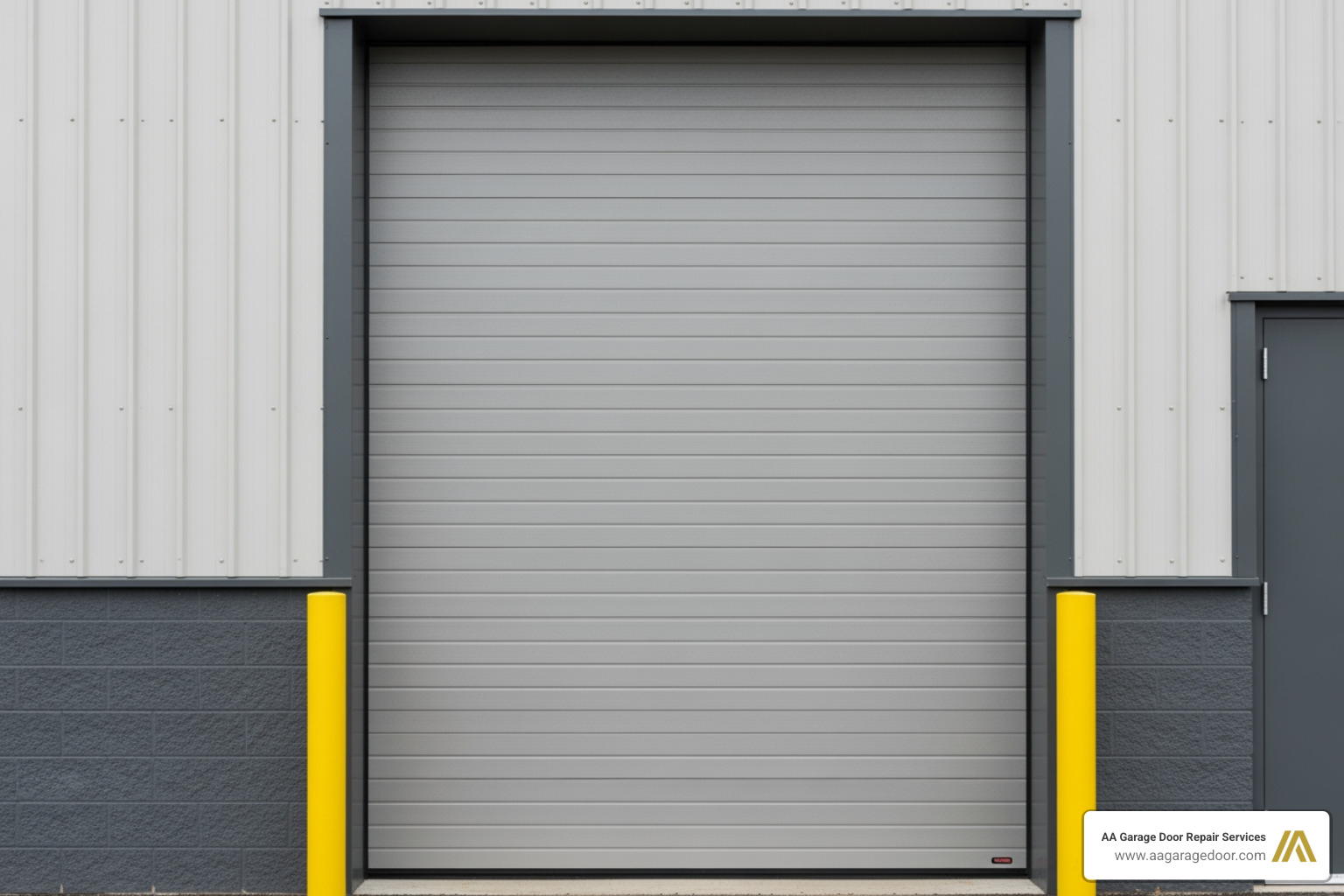
A 10×10 insulated roll up door is a critical investment for commercial and industrial facilities seeking energy efficiency, climate control, and long-term durability. This versatile door size fits most standard garage openings, workshops, loading docks, and storage facilities—making it one of the most popular choices for businesses across Minnesota and Wisconsin. For many businesses, finding the right professional garage door solutions can be a game-changer, and an insulated door is a key part of that.
Quick Answer: What Makes a 10×10 Insulated Roll Up Door Worth It?
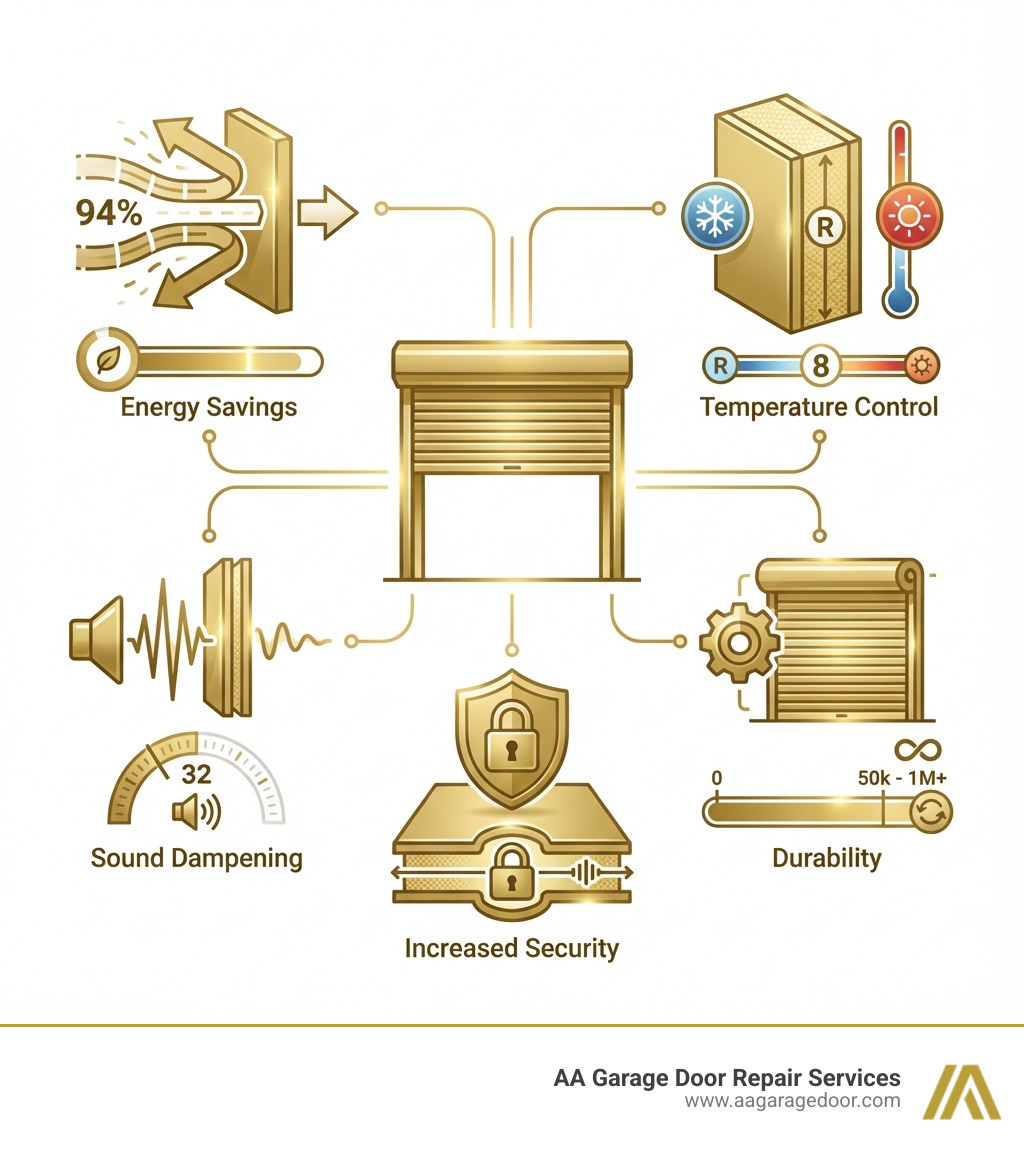
- Energy Savings: Reduces heating and cooling costs by up to 94% airflow reduction (Thermiser Max model)
- Temperature Control: Maintains separate climates on each side of the door with R-values up to 8
- Sound Dampening: Achieves STC ratings up to 32, reducing noise pollution
- Durability: Lasts 50,000 to 1,000,000+ cycles depending on model
- Security: Double-layer construction resists damage better than non-insulated doors
- Cost Range: $1,155 to $2,795+ depending on features and performance level
Whether you’re managing a distribution center, retail facility, or warehouse, the right insulated roll-up door protects your investment while cutting operational costs. The insulation not only keeps temperatures stable but also extends the life of motors and components by shielding them from extreme weather.
Would you like to save money on your energy bill while controlling the temperature inside your commercial garage? The answer starts with understanding what makes these doors different—and which model fits your specific needs. If you’re considering upgrading your facility, professional insulated garage door installation ensures optimal performance and longevity.
I’m David Sands, Owner of AA Garage Door LLC, and over the past 23 years, I’ve helped hundreds of commercial clients across the Twin Cities select and install the perfect 10×10 insulated roll up door for their operations. My team specializes in matching door specifications to real-world conditions—from harsh Minnesota winters to high-traffic loading docks.
Important 10×10 insulated roll up door terms:
The Core Benefits: Why Your Facility Needs an Insulated Roll-Up Door
Investing in a 10×10 insulated roll up door offers a multitude of advantages that directly impact your bottom line and operational efficiency. From keeping the chill out of your St. Paul warehouse to muffling the sounds of machinery in a Hudson, WI, workshop, these doors deliver tangible benefits.
Energy Savings and Climate Control
One of the most compelling reasons to choose an insulated roll-up door is its ability to significantly reduce energy consumption. In the diverse climate of Minnesota and Western Wisconsin, where temperatures can swing dramatically, maintaining a consistent indoor environment is crucial.
Insulated doors act as a thermal barrier, minimizing heat loss in winter and heat gain in summer. This is primarily due to their R-value, a measure of thermal resistance, and their ability to minimize air infiltration. For instance, the Thermiser Max Insulated Rolling Door decreases airflow by an impressive 94%. This dramatic reduction in air exchange directly translates to:
- Reduced Heating and Cooling Costs: Less energy is needed to maintain desired temperatures, leading to substantial savings on utility bills.
- Stable Indoor Temperatures: Protects temperature-sensitive goods, equipment, and provides a more comfortable working environment for employees.
- Compliance with Standards: Many insulated doors meet stringent energy efficiency standards such as ASHRAE 90.1 and IECC (International Energy Conservation Code) certifications, which are increasingly important for modern commercial buildings.
These doors often feature full perimeter seals and weather-stripping to create a tight seal, preventing drafts and further enhancing energy performance. This comprehensive sealing is vital in preventing energy leakage, which can be a significant hidden cost in commercial operations.
Improved Durability and Security
Insulated doors aren’t just about temperature control; they’re also built tough. The construction of an insulated roll-up door typically involves multiple layers, often with a core of foam insulation sandwiched between steel or aluminum sheets. This multi-layered design inherently makes them stronger and more resistant to damage than their non-insulated, single-skin counterparts.
- Improved Structural Integrity: The dual-layer construction and internal insulation provide increased rigidity, making the door more resilient against impacts and daily wear and tear. Our research indicates that insulated doors stand up to damage better than non-insulated doors.
- Component Protection: The insulation also helps protect the door’s internal components, such as springs, motors, and operating mechanisms, from harsh weather conditions. This extends their lifespan and reduces the frequency of repairs.
- Increased Security: A thicker, more robust door curtain is naturally harder to breach, adding an extra layer of security to your facility. Heavy-duty bottom bars and interlocking slats further improve this protective barrier.
Superior Sound Dampening
Noise pollution can be a major concern in many commercial and industrial settings, affecting employee comfort, productivity, and even compliance with local regulations. Here’s where an insulated roll-up door shines again.
The dense insulation materials used in these doors, such as foamed-in-place urethane, are excellent at absorbing and blocking sound waves. This is quantified by their Sound Transmission Class (STC) rating, which measures how well a building element attenuates airborne sound.
- Reduced Noise Transfer: Insulated doors significantly reduce noise transfer between indoor and outdoor environments, or between different sections of a facility. The Thermiser Insulated Roll-Up Doors, for example, have a full perimeter seal, making them excellent for reducing sound pollution.
- Higher STC Ratings: While a standard insulated door’s curtain can achieve an STC rating up to 30, a Thermiser Max door with specific options can achieve an impressive STC rating up to 32. This makes them ideal for noise-sensitive areas like hospitals, recording studios, or even facilities located near residential zones in Woodbury, MN, or Baldwin, WI.
- Quieter Operations: By dampening external noise, these doors create a more peaceful internal environment, which can lead to improved focus and reduced stress for your workforce.
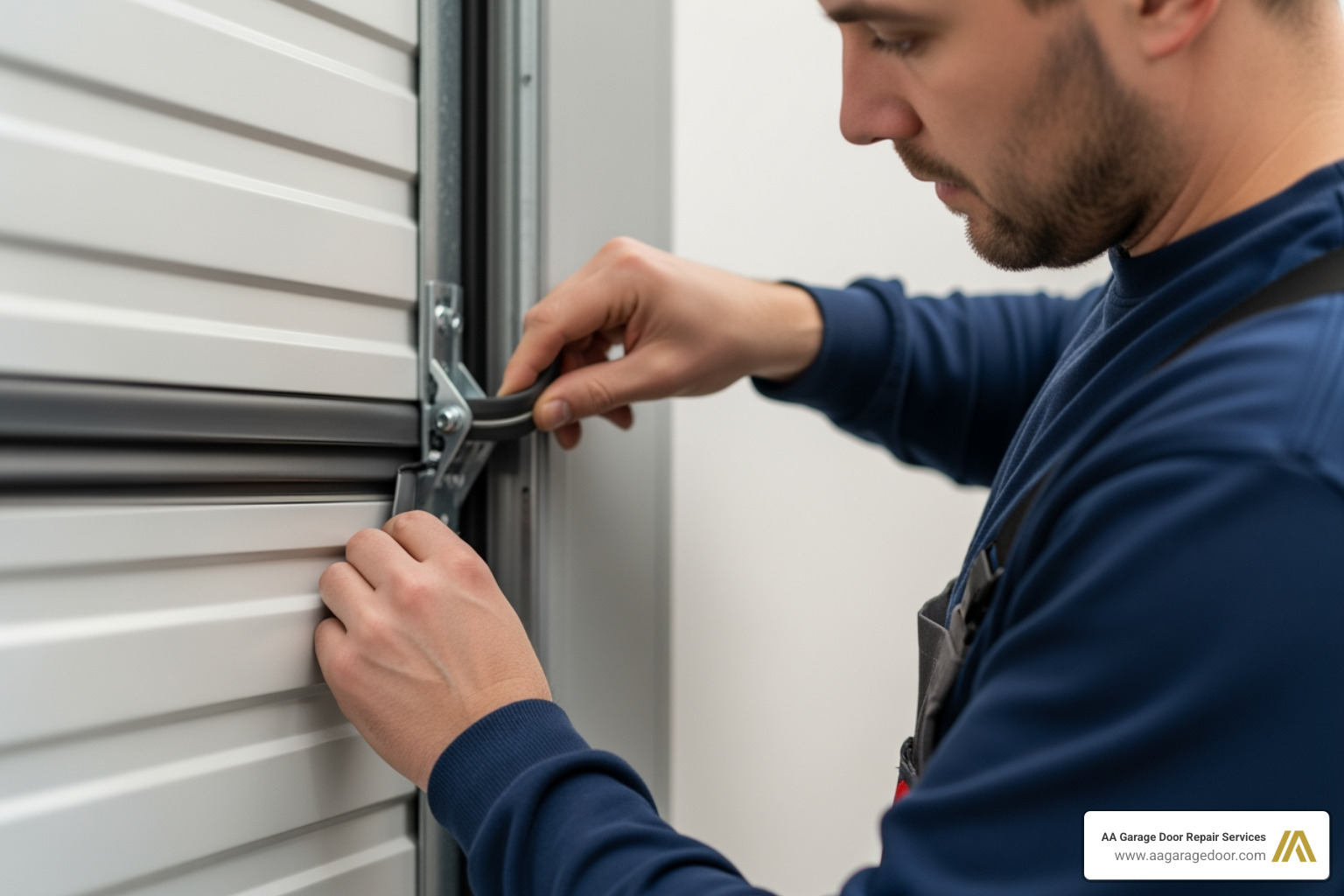
Anatomy of a High-Performance 10×10 Insulated Roll Up Door
Understanding the components that make up a high-performance 10×10 insulated roll up door is key to appreciating its value. These aren’t just simple barriers; they are engineered systems designed for efficiency, durability, and security.
Insulation That Performs: R-Value and Materials
The heart of an insulated roll-up door lies in its insulation. When we talk about insulation, the R-value is paramount.
- R-Value Explained: The R-value quantifies a material’s resistance to heat flow. A higher R-value indicates better insulation performance. For a 10×10 insulated roll up door, a typical R-value of 8 is a good benchmark, meaning it offers significant thermal resistance.
- Polyurethane Foam: Many high-quality insulated doors feature a core of closed-cell, pressure-foamed-in-place urethane. This material is excellent for thermal resistance and structural rigidity. It’s often 7/8″ thick and is CFC-free, making it an environmentally conscious choice.
- Flame and Smoke Resistance: Important for safety, these insulation materials often come with favorable ratings for Flame Spread Index (0 per ASTM E84) and Smoke Developed Index (10 per ASTM E84), ensuring they meet critical fire safety standards.
- Polystyrene: While polyurethane is common, some doors may use polystyrene foam. Both are effective, but polyurethane generally offers a higher R-value per inch of thickness.
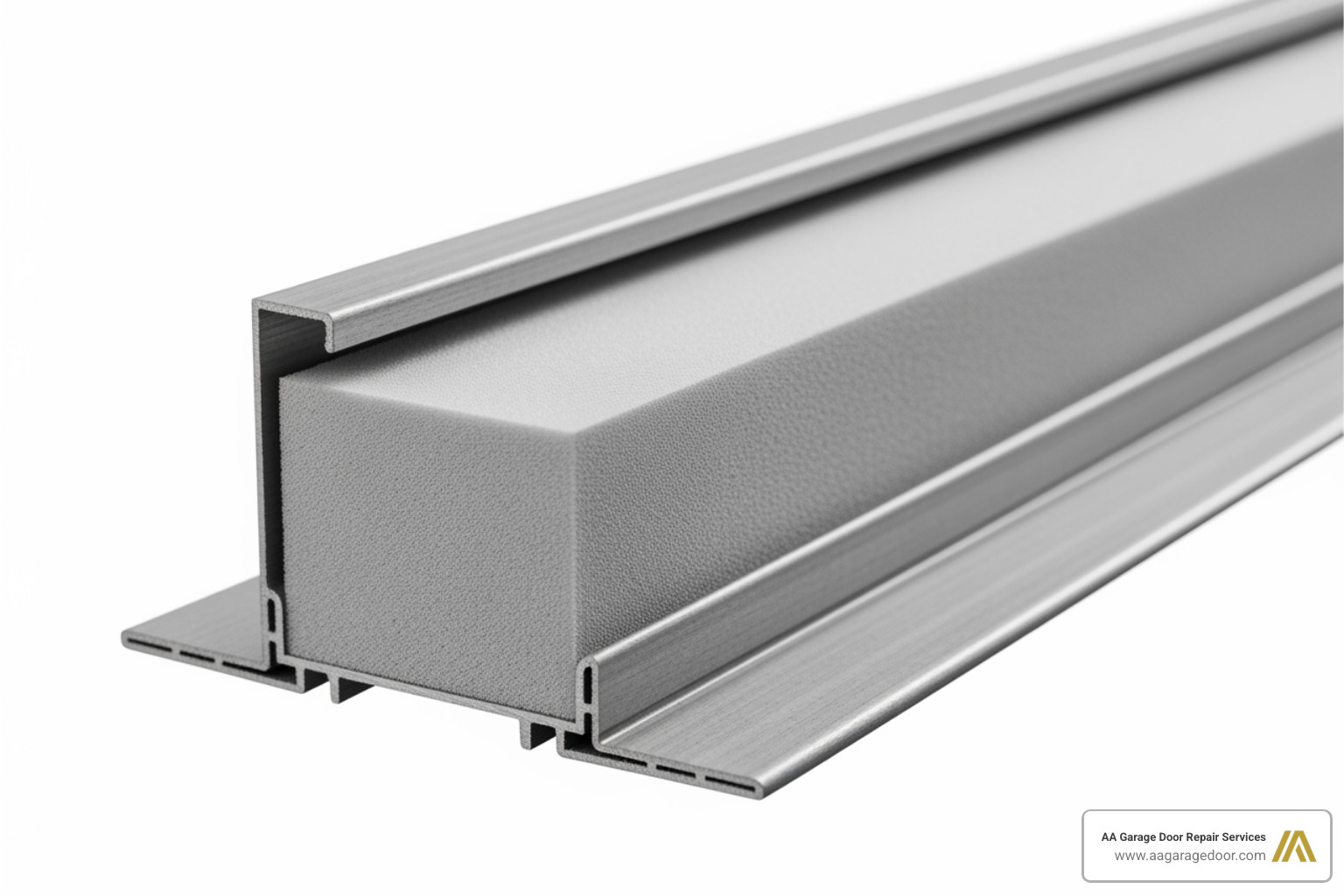
Sealing the Deal: The Importance of Perimeter Seals
Even the best insulation can be undermined by air leaks. That’s why effective perimeter sealing is crucial for an insulated door’s performance.
- Full Perimeter Seals: These seals run along all four sides of the door opening, creating a continuous barrier against air, moisture, and dust infiltration.
- Vinyl Top and Side Draft Stops: These flexible seals are mounted to the top and sides of the door frame, compressing against the door curtain when closed to prevent drafts.
- Header Seals and Lintel Seals: Located at the top of the door opening, these seals prevent air from escaping over the top of the curtain.
- Side Brush Seals: Composed of dense bristles, these seals conform to the contours of the door curtain, offering an excellent barrier against drafts and debris while allowing smooth operation.
- Thermally Broken Guide Assemblies: These specialized guides prevent thermal bridging, where heat or cold can transfer through the metal components of the door frame. By incorporating a non-conductive break, they improve the overall thermal performance of the door system. For more information on enhancing your door’s weatherproofing, you might find valuable insights here.
Built to Last: Curtain, Guides, and Hardware
The longevity and security of your 10×10 insulated roll up door depend heavily on the materials and construction of its physical components.
- Curtain Materials:
- Galvanized Steel: This is a common and durable choice, often used for its strength and corrosion resistance. Steel curtains are typically 26 gauge (e.g., in the 10×10 Canister Garage Door model) or heavier for improved durability.
- Stainless Steel: Offers superior corrosion resistance, ideal for environments with high humidity or exposure to chemicals.
- Aluminum: Lighter than steel, aluminum is also corrosion-resistant and can be a good option where weight is a concern.
- Guides: These vertical tracks ensure the door curtain moves smoothly. Heavy-duty options, such as 4″ deep, 12-gauge galvanized steel guides, provide exceptional strength and durability for commercial applications.
- Finishes: Beyond raw materials, finishes contribute to both aesthetics and longevity.
- Powder Coat Finishes: Offer a wide range of colors and a tough, chip-resistant surface.
- CycleShield™ Finish: Specifically designed for high-cycle doors, this finish provides resistance to friction, wear, rust, and various chemicals, extending the door’s appearance and life.
- Siliconized Polyester WeatherXL paint: Offers significant warranty coverage, such as 30-year film integrity and up to 25-year chalk and fade warranties.
- Springless Design: High-performance doors often feature a springless design with a direct-drive operator. This eliminates traditional torsion springs, which are a common wear item, reducing maintenance needs and increasing the door’s lifespan.
Comparing Your Options: Types of 10×10 Insulated Doors
Choosing the right 10×10 insulated roll up door isn’t a one-size-fits-all decision. Your selection should align with your specific operational needs, budget, and the demands of your facility in the Twin Cities area. Let’s explore the different types available.
Standard Service Insulated Doors (e.g., Thermiser, Model 2500)
These doors are the workhorses for many commercial and light industrial applications. They offer a great balance of insulation, security, and affordability.
- Ideal Use: Perfect for facilities with standard traffic patterns, typically less than 20 cycles per day. This includes many warehouses, workshops, and storage units in places like Baldwin, WI, or Woodbury, MN.
- Benefits:
- Climate Control: Provides effective insulation to maintain comfortable temperatures and save energy.
- Security: Offers robust protection for your assets.
- Cost-Effective: Generally more budget-friendly than high-performance models, making them an excellent investment for standard needs.
- Durability: Often come with a substantial cycle warranty, such as 50,000 cycles as standard for Thermiser doors, ensuring reliable performance for years.
- Examples: The Model 2500 is a popular heavy-duty commercial sheet door, known for its strength and durability. You can explore options for standard service doors here and general insulated products here.
High-Performance Insulated Doors (e.g., Extreme 300/1024 Series)
When speed, continuous uptime, and minimal maintenance are paramount, high-performance insulated doors are the answer. These are designed for facilities with extremely high traffic or critical operations.
- Ideal Use: Distribution centers, manufacturing plants, and other facilities in Hudson, WI, or St. Paul, MN, where doors are opening and closing hundreds of times a day.
- Key Features:
- Exceptional Cycle Life: The Extreme 300 Series is designed for 300,000 maintenance-free cycles, while the Extreme 1024 boasts an incredible 1,000,000 maintenance-free cycles. This is significantly higher than standard doors, drastically reducing long-term maintenance costs.
- High Speed Operation: These doors operate at speeds up to 24 inches per second, three times faster than standard coiling doors (which open at about 8 inches per second). This rapid operation minimizes air exchange, further contributing to energy savings and improving productivity.
- Springless Direct-Drive Operator: Eliminates the need for traditional springs, reducing wear and tear and extending lifespan.
- Intelligent Controls: Features like the Apex™ Smart controller offer plug-and-play wiring, easy commissioning, and advanced diagnostics, simplifying installation and servicing. More on these intelligent operations can be found here.
- Reduced Air Exchange: The combination of speed and advanced sealing systems in high-performance doors significantly reduces air exchange, making them highly energy-efficient.
Specialized & Wind-Rated Doors (e.g., Model 3100/3400)
For facilities in areas prone to severe weather or those requiring adherence to strict building codes, specialized and wind-rated insulated doors are essential.
- Ideal Use: While Minnesota and Wisconsin aren’t typically hurricane zones, strong winds and severe storms are common. These doors are crucial for buildings requiring improved structural integrity against high wind loads.
- Key Features:
- Wind Load Certification: These doors are rigorously tested and certified to withstand specific wind pressures, often meeting standards like those from the TDI Product Evaluation (Texas Department of Insurance) or even Miami-Dade County approvals. For example, the Model 3100 is wind-rated up to 16 feet wide, and the Model 3400 is Miami/Dade Wind Certified.
- Reinforced Construction: They feature heavier gauge steel, stronger guides, and improved fastening systems to ensure they remain secure during extreme weather events.
- Corrugated Curtains: Some models, like the Model 3400, feature a 24-gauge corrugated door curtain made from full-hard galvanized grade 80 steel, offering superior strength.
[TABLE] comparing Insulated vs. Non-Insulated 10×10 Roll-Up Doors
| Feature | Insulated Door | Non-Insulated Door |
|---|---|---|
| Energy Efficiency | High (R-value 8+) | Low (R-value ~1) |
| Upfront Cost | Higher | Lower |
| Sound Dampening | Excellent (STC 18-32) | Poor |
| Durability | Very Good (dual-layer) | Good (single-layer) |
| Best For | Climate-controlled spaces | Unheated sheds, storage |
The Practical Guide: Cost, Installation, and Maintenance
Understanding the practicalities of a 10×10 insulated roll up door goes beyond its features. It involves knowing the typical costs, installation requirements, and what to expect for long-term maintenance.
What is the Cost of a 10×10 Insulated Roll Up Door?
The cost of a 10×10 insulated roll up door can vary significantly, reflecting the wide range of features, materials, and performance levels available.
- Base Model Cost: For a basic 10×10 insulated roll-up door, you might expect a price range of approximately $1,400 to $2,200. For example, a 10×10 Model 1000 can start around $942, with insulation adding about $800, bringing it to around $1,742. A 10×10 Model 2500 might cost around $1,404 for the base door, with insulation as an additional option.
- Factors Influencing Price:
- Insulation Type & R-Value: Higher R-values and premium insulation materials (like foamed-in-place urethane) will increase the cost.
- Model Series: High-performance doors (e.g., Extreme 300/1024) with advanced features and cycle ratings will be significantly more expensive than standard service doors.
- Materials & Gauge: Heavier gauge steel, stainless steel, or specialized finishes will add to the price.
- Operator Type: Manual push-up or chain hoist operations are less expensive than electric motor operators, especially advanced smart controllers.
- Custom Finishes & Colors: While standard colors are usually included, custom powder coating or vinyl graphics will incur additional costs.
- Accessories: Features like vision windows, pass-through doors, specialized seals (header, side brush), and protective devices (heavy-duty bottom bars, rolling door protectors) all add to the total investment.
- Wind Load Certification: Doors designed to meet stringent wind load requirements will typically be more robust and therefore pricier. For doors larger than 16′ wide, you’ll often need to call for custom pricing.
Installation Essentials: Headroom and Sideroom Requirements
Proper installation is critical for the optimal function and longevity of your 10×10 insulated roll up door. This starts with understanding the space requirements around your opening.
- Headroom Needs: This is the vertical space required above the top of your door opening for the coiled curtain and operating mechanism.
- For a 10×10 Model 1000, you’ll need approximately 18.5 inches of headroom.
- For a 10×10 Model 2500, this increases to about 21 inches.
- Additional Space for Insulation: If you choose an insulated door, you’ll typically need an additional 2 inches of headroom to accommodate the thicker curtain and any top seals.
- Hood Requirements: If you opt for a protective hood over the coiled curtain, this will also require extra headroom, often another 2 inches.
- Sideroom Needs: This is the horizontal space required on either side of your door opening for the guides, brackets, and any motor operators.
- For a 10×10 Model 1000, you’ll need approximately 4 inches of sideroom on each side.
- For a 10×10 Model 2500, this increases to about 8.5 inches on each side.
- Hood Requirements: Adding a hood may also require additional sideroom, typically around 3.5 to 8 inches, depending on the model.
It’s crucial to measure your rough opening, not the finished opening, as the door system is custom-made to overlap your frame, with guide rails mounting on the face of the frame. This is why these specific headroom and sideroom measurements are so vital. For any existing door issues or upgrades, our team at AA Garage Door also offers comprehensive replacement services.
Durability and Long-Term Maintenance
A well-chosen 10×10 insulated roll up door is designed for impressive durability and minimal maintenance, especially the high-performance models.
- Cycle Life Ratings: Doors are rated for a certain number of cycles (one open and one close constitutes a cycle). Standard doors might be warrantied for 50,000 cycles, while high-performance options like the Extreme 300 series boast 300,000 maintenance-free cycles, and the Extreme 1024 series offers an astounding 1,000,000 maintenance-free cycles. This indicates exceptional longevity.
- Maintenance-Free Designs: Many modern insulated roll-up doors, particularly the high-performance models, feature springless designs and robust components that significantly reduce the need for routine maintenance. The primary maintenance is often limited to daily operational checks.
- Cleaning and Lubrication: Regular cleaning of the door curtain and guides, along with periodic lubrication of moving parts (if applicable to your model), will help ensure smooth operation and extend the door’s life.
- Professional Inspections: Even with maintenance-free designs, we recommend annual professional inspections. Our technicians can identify potential issues early, adjust components, and ensure all safety features are functioning correctly, keeping your door operating safely and efficiently for years to come. In areas like Apple Valley, MN, our local team is ready to provide expert garage door repair near me for all types of roll-up doors.
Customizing Your Door for Peak Performance and Aesthetics
A 10×10 insulated roll up door is highly customizable, allowing you to tailor it to your exact operational needs, security requirements, and even match your building’s aesthetic.
Operators and Access Control
How your door opens and closes is a crucial decision, impacting convenience, speed, and safety.
- Manual Options:
- Push-up Operation: Suitable for smaller, lighter doors where manual lifting is feasible.
- Chain Hoist: A common manual option for larger doors, using a chain and gear system to assist in lifting.
- Hand-Crank: Another manual option, often used for smaller doors or specific applications.
- Electric Motor Operators: For most commercial and industrial 10×10 insulated roll up door applications, an electric motor operator is the preferred choice, offering ease of use and faster operation.
- Models: Various models exist, from medium-duty (e.g., Model MG for up to 20 cycles/day) to super-duty (e.g., Model SG for larger doors or higher cycle use). Popular brands like Manaras Operators offer reliable solutions.
- Smart Controllers: Advanced systems like the Apex™ Smart controller feature intelligent control panels with plug-and-play wiring, simplifying installation and diagnostics.
- Access Control: Electric operators can be integrated with various access control systems, including remote controls, keypads, card readers, and loop detectors, enhancing security and operational flow.
Aesthetic and Functional Accessories
Beyond basic operation, a range of accessories can further improve the functionality, safety, and appearance of your 10×10 insulated roll up door.
- Vision Windows: Small, strategically placed windows in the door curtain allow for natural light and visibility, improving safety by letting people see what’s on the other side before opening the door. Learn more about vision windows.
- Fenestrated Slats: These slats have multiple small punched slots, creating an open curtain design. While maintaining security, they allow for ventilation and visibility, useful in applications where airflow is desired. Explore custom slats.
- Hood and Operator Covers: Metal covers protect the coiled curtain and operator from exterior weather, debris, and potential damage, extending the life of these critical components. Discover hood and operator covers.
- Pass-through Doors (Wicket Doors): A small pedestrian door built into the roll-up door curtain, allowing foot traffic without needing to open the entire door. This is great for energy efficiency and convenience.
- Custom Powder Coat Colors: While standard colors are available, powder coating allows for a vast array of custom colors to match your brand or building’s architectural design.
- Vinyl Graphics: For businesses looking to maximize their visual presence, durable vinyl graphics can be applied to the door curtain, turning an otherwise blank space into a branding opportunity.
- Safety and Protection Devices:
- Entrapment Protection Devices: Sensors that detect obstructions in the door’s path, preventing accidents. Find out more about entrapment protection.
- Guide-Mounted Interlocks: Safety features that ensure the motor operation is safe and prevent unintended movement. Explore interlocks.
- Heavy Duty Bottom Bars (HDBB) & Rolling Door Protectors (RDP): Designed to withstand impacts from forklifts or other vehicles, preventing costly damage and downtime.
- RapidResponse Systems: Some doors offer features like extra curtain material and impactable bottom bars to facilitate quicker repairs of slat damage, reducing downtime.
- Specialty Applications: Options for sloping or irregular openings ensure a perfect fit even in challenging architectural designs.
Conclusion: Making the Smart Investment for Your Business
A 10×10 insulated roll up door is a powerful upgrade for any commercial or industrial facility, delivering significant returns through energy savings, improved durability, and improved operational efficiency. By choosing the right model with the features that matter most to your application, you’re not just installing a door—you’re investing in a more secure, comfortable, and cost-effective environment.
From the harsh winters of St. Paul and the Twin Cities to the busy commercial hubs of Western Wisconsin, an insulated roll-up door stands as a testament to smart, sustainable business practices. It’s a choice that reflects an understanding of long-term value, moving beyond initial costs to accept a future of reduced energy bills, quieter operations, and robust security.
For expert guidance and professional installation in St. Paul, the Twin Cities, and Western Wisconsin, trust the experienced team at AA Garage Door. With local expertise since 2001, we’re committed to providing fast, reliable service and transparent pricing.