Why Commercial Garage Door Insulation Matters for Your Business
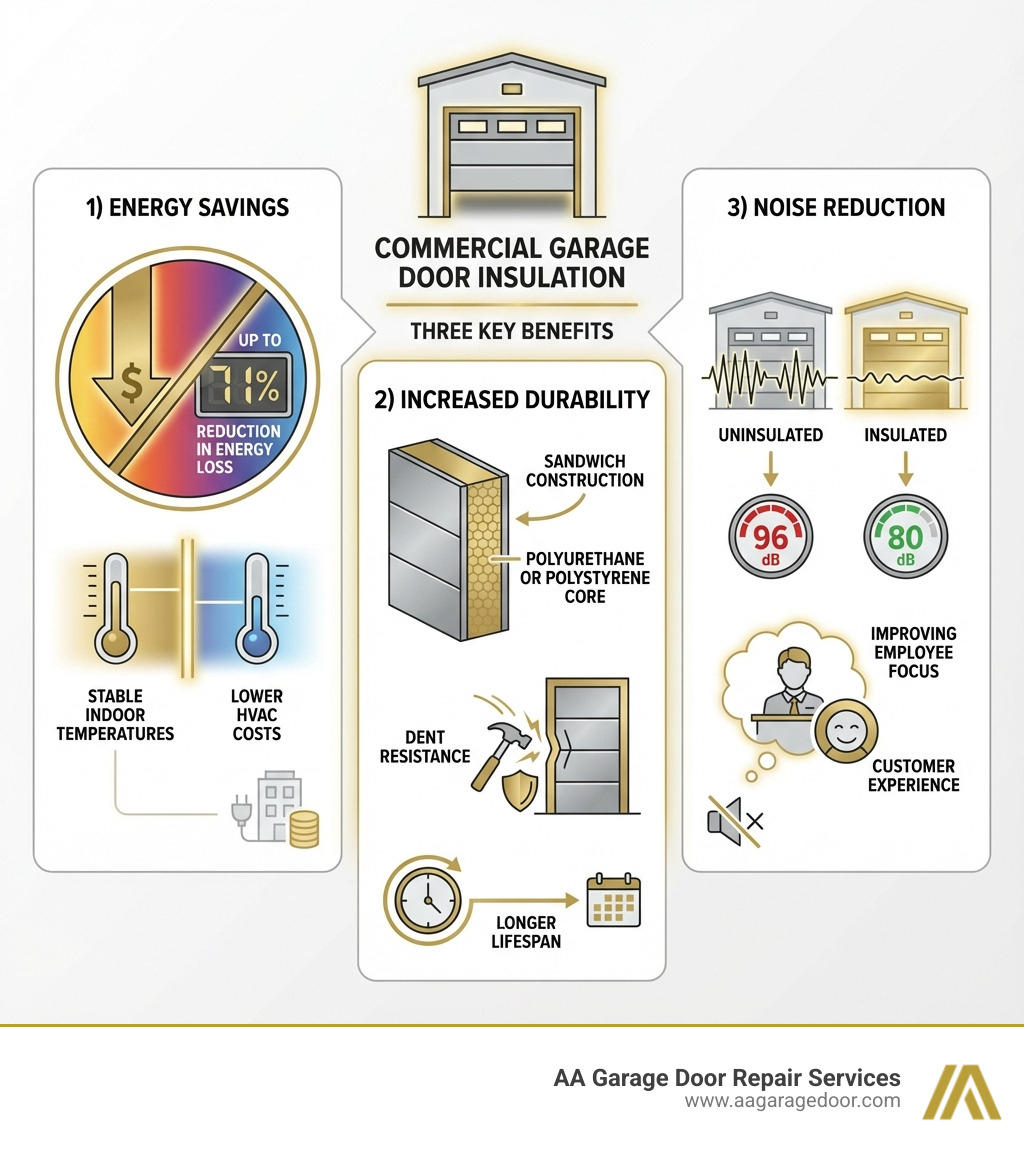
Commercial garage door insulation is a critical investment that directly impacts your operating costs, employee comfort, and equipment longevity. Whether you run a warehouse, manufacturing facility, or automotive shop, the right insulation can reduce energy loss by up to 71% while creating a more productive work environment.
Key Benefits of Commercial Garage Door Insulation:
- Energy Efficiency: Reduces heat transfer and lowers utility bills by minimizing HVAC system workload
- Improved Durability: Adds structural reinforcement, making doors more resistant to dents and damage
- Noise Reduction: Dampens sound from operations and external traffic, improving workplace conditions
- Code Compliance: Helps meet building regulations and energy standards for commercial properties
- Extended Lifespan: Protects door components from extreme temperatures, reducing maintenance needs
R-Value Recommendations by Building Type:
- Moderate climate control: R-6 to R-10 (polystyrene)
- Superior climate control: R-12 to R-27+ (polyurethane/Intellicore®)
- Industrial facilities: R-6.3 minimum with optional upgrades
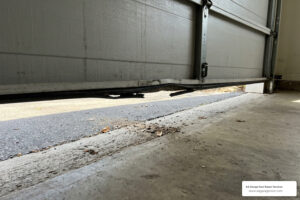
Businesses lose substantial energy through uninsulated doors, especially during Minnesota’s harsh winters and humid summers. If you have an attached garage or loading bay that shares walls with heated spaces, proper insulation becomes even more critical. The right comprehensive garage door solutions can transform your facility’s efficiency and comfort while protecting your bottom line.
I’m David Sands, owner of AA Garage Door LLC with over 23 years of experience serving commercial and residential clients across Wisconsin and Minnesota. As an authorized Clopay dealer and IDA member, I’ve helped countless businesses optimize their facilities with proper commercial garage door insulation that delivers measurable energy savings and durability.
Relevant articles related to commercial garage door insulation:
Why Commercial Garage Door Insulation is a Smart Business Investment
Investing in commercial garage door insulation is more than just an upgrade; it’s a strategic business decision that yields significant returns. For businesses operating in the varied climates of St. Paul, MN, and Western WI, where temperatures can plummet to 7 degrees Fahrenheit in winter, managing indoor climate is paramount. Insulated doors act as a crucial barrier against the elements, directly influencing your operational efficiency and bottom line.
Slashing Energy Costs and Boosting Your Bottom Line
One of the most compelling reasons to insulate your commercial garage doors is the immediate impact on energy consumption and cost savings. Insulation helps businesses reduce energy consumption by minimizing heat transfer, ensuring that conditioned air stays inside your facility. This can lead to a remarkable reduction in energy loss, with some studies indicating up to 71%.
Proper insulation ensures that heat is stored for as long as possible during cold months and kept out during warm ones. This results in significantly lower utility bills and operational costs, while also reducing the wear and tear on your heating and cooling systems. With tighter seals around your garage door, your air conditioner and heater won’t continually click on and off due to air seeping out and weather conditions seeping in. Less air leaking in from outside means you will spend less money on heating and cooling, which is a welcome relief for any business owner. Beyond the financial savings, reducing energy consumption also leads to fewer greenhouse gas emissions, contributing to an overall better planet for all of us. Energy-efficient garage doors are not just a good idea; they are essential for many applications and a great investment for most businesses.
Enhancing Durability and Reducing Maintenance
Commercial garage door insulation isn’t just about temperature control; it also significantly contributes to the door’s structural integrity and longevity. Insulated garage doors are generally more durable, looking newer for longer with fewer dents and dings. The insulation material, often sandwiched between steel panels, adds reinforcement, making the door more resistant to impacts and daily wear.
This improved durability means your door will require less maintenance over the years, saving your business additional expense. A properly insulated garage door lasts longer, improving both its appearance and functionality. For instance, polyurethane, known as the best insulator, is also highly resistant to damage, further extending the door’s lifespan. By investing in insulated doors, you’re not just buying comfort; you’re securing a robust asset that stands the test of time.
Guide to commercial door service.
Creating a Quieter and More Productive Workspace
Imagine a workplace where the constant hum of traffic or the clatter of machinery outside is significantly muted. With proper commercial garage door insulation, this becomes a reality. Insulation acts as a sound dampener, absorbing vibrations and reducing the transmission of external noise into your facility.
For example, Clopay’s Intellicore® overhead doors produce just 80 decibels (dB) during operation, compared to an uninsulated door’s 96 dB. This difference makes Intellicore® doors sound three times quieter to a human ear. This noise reduction creates a more comfortable and less distracting work environment, which can lead to increased productivity for your workers. It also makes your business premises more welcoming to clients and prospects, fostering a professional atmosphere.
Understanding Insulation Materials and Performance Metrics
When considering commercial garage door insulation, understanding the materials and how their performance is measured is crucial. The right choice depends on your specific needs, budget, and the climate challenges faced by businesses in St. Paul, MN, and Western WI.
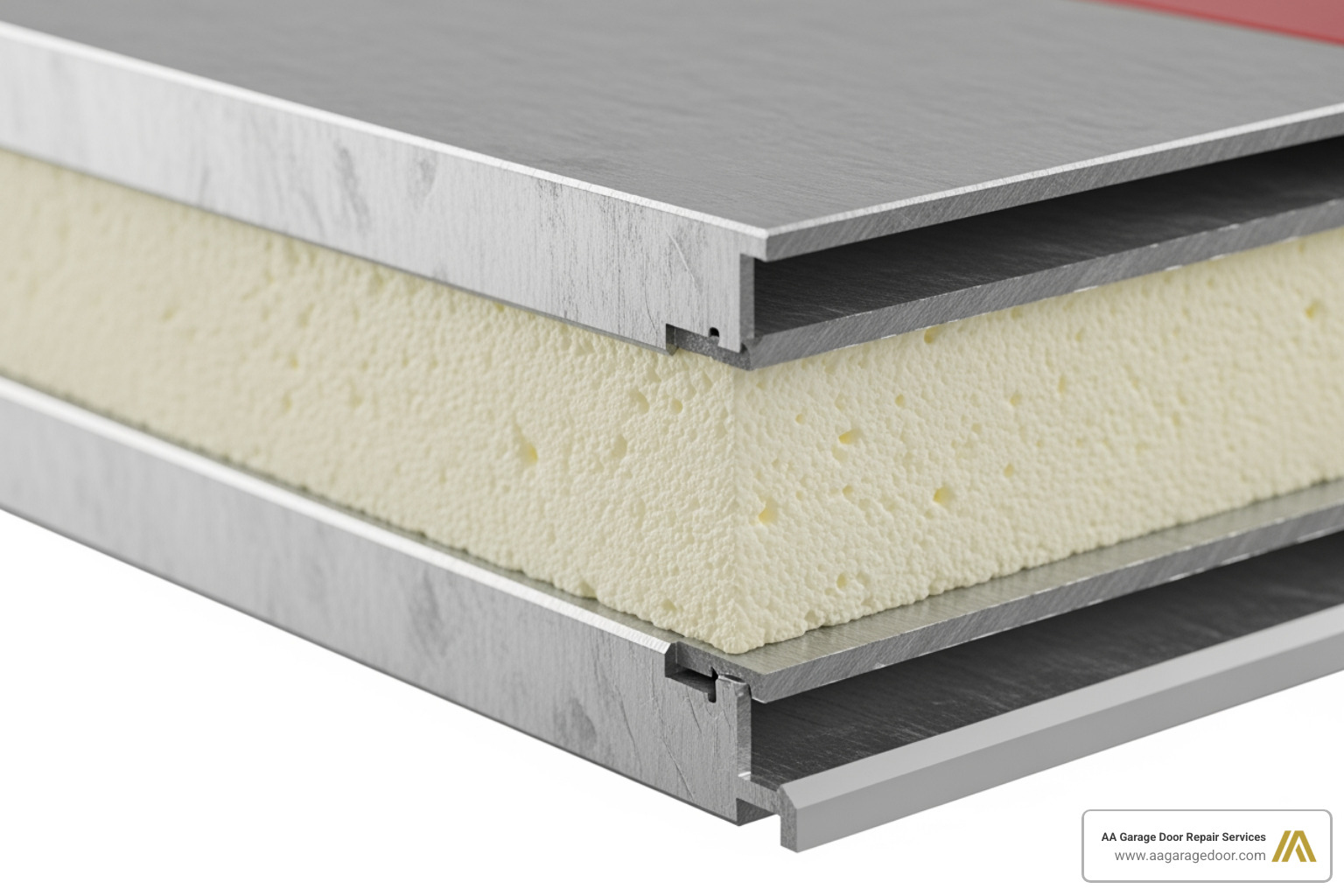
The primary metrics to consider are R-Value and U-Value. The R-value refers to the thermal resistance of a material, specifically its capacity to resist heat flow. A material with a high R-value is better equipped to prevent heat from escaping in the winter or entering in the summer. Conversely, the U-value measures the rate of heat transfer, which tells you the actual thermal efficiency of the door itself. A lower U-value indicates better thermal performance.
Learn about different door types.
Choosing the Right Material for Commercial Garage Door Insulation
When it comes to commercial garage door insulation, the two most common and effective materials are polyurethane and polystyrene. Each offers distinct advantages, making them suitable for different commercial applications.
| Feature | Polyurethane (Spray Foam/Injected Foam) | Polystyrene (Rigid Foam) |
|---|---|---|
| R-Value Range | R-12 to R-27.2 (Superior) | R-2 to R-10 (Moderate) |
| Cost | Higher initial cost (approx. $1-$4 per sq ft) | Lower initial cost (approx. $50-$65 per 8-panel kit) |
| Durability | Excellent, most resistant to damage, adds structural rigidity | Good, waterproof, manufactured in large sheets |
| Application | Expands to fill entire cavity, tighter seal, superior soundproofing | Pre-cut panels, easy installation, good for moderate climates |
| Best Use Case | Maximum energy savings, extreme climates, high-traffic areas, noise reduction | Budget-friendly, moderate insulation needs, general commercial use |
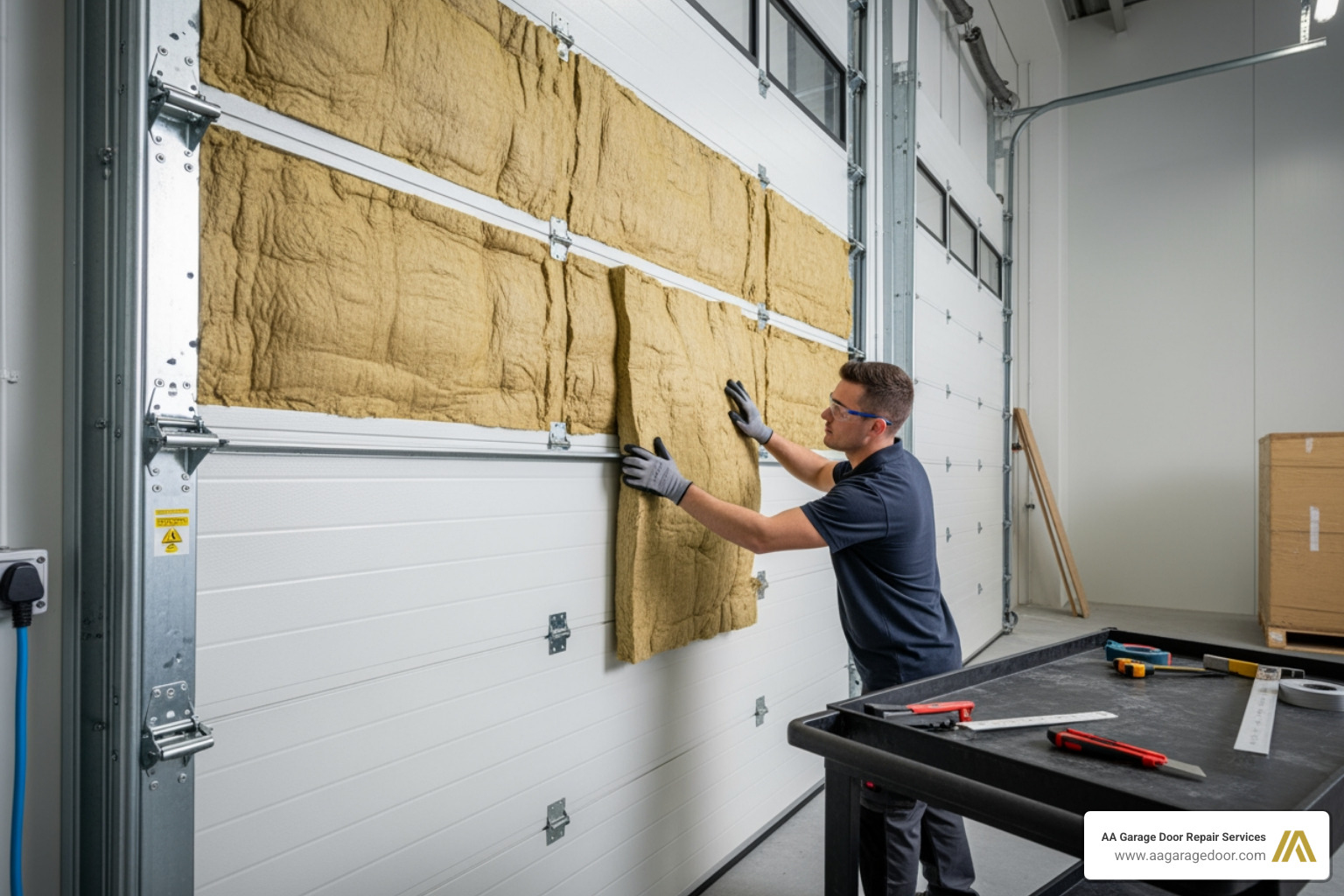
Polyurethane foam is often considered the premium choice for commercial garage door insulation. It is typically sprayed or injected into the door panels, where it expands and adheres to the interior, creating a strong bond. This expansion allows it to fill the entire cavity, providing a superior, airtight seal that significantly increases the R-value and contributes to the door’s rigidity and soundproofing. It’s the best insulator and most resistant to damage, though it does come with a heftier price tag.
Polystyrene is a popular, cost-effective insulation material that comes in rigid panels designed to fit into the door sections. It’s waterproof and less expensive than polyurethane, making it a great option for businesses seeking moderate insulation at a lower price point. While it offers good thermal performance, it may not achieve the same high R-values or the complete cavity fill that polyurethane provides.
Decoding R-Value and U-Value for Your Business
Understanding R-value and U-value is fundamental to selecting the right commercial garage door insulation for your business. The R-value measures how well a material resists the flow of heat. A higher R-value means better insulation; it’s like a thicker blanket protecting your business from the cold or heat. For commercial applications, R-values can range from 6.3 to over 27, depending on the product and material.
The U-value, on the other hand, measures the rate of heat transfer through a material. A lower U-value indicates that less heat is being transferred, signifying better thermal efficiency. While R-value focuses on resistance, U-value looks at the overall thermal performance of the entire door system.
For businesses in St. Paul, MN, and Western WI, where extreme temperatures are common, higher R-values are generally more beneficial. For instance, a 2-inch thick spray-foam polyurethane door can offer maximum energy savings and insulation properties, with R-values ranging from 12.9 to 27.2 for superior climate control. These higher R-values are crucial for maintaining comfortable indoor temperatures, protecting temperature-sensitive goods, and significantly reducing heating costs during our cold winters.
Furthermore, commercial garage door insulation is sometimes a legal matter. Many commercial garage doors have to follow ever-changing compliance codes related to energy efficiency. Choosing doors with appropriate R-values helps ensure your business meets these regulations.
Installation, Challenges, and Best Practices
Installing commercial garage door insulation is a specialized task that requires careful consideration to maximize its benefits and avoid potential issues. While some residential insulation can be a DIY project, the scale and complexity of commercial doors, coupled with the need for optimal performance and safety, often warrant professional expertise.
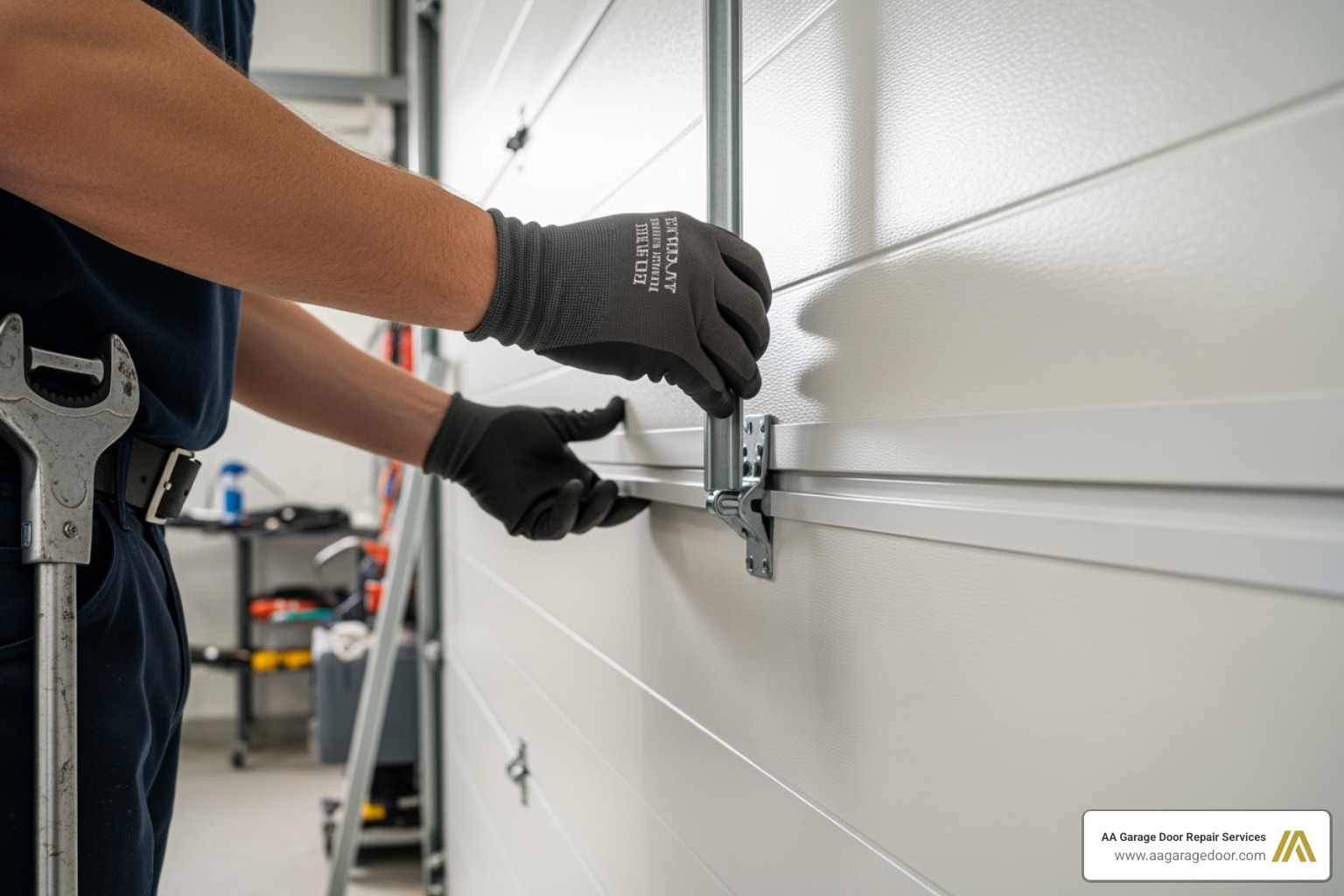
One of the primary challenges associated with insulating commercial garage doors is the added weight. Insulation, especially high-density materials like polyurethane, can significantly increase the door’s overall weight. This added load necessitates the recalibration or, in some cases, replacement of the garage door’s springs to ensure the door remains properly balanced and operates smoothly. Failure to do so can strain the opener, reduce its lifespan, and create a safety hazard.
Another consideration is the initial cost. Insulated garage doors are generally more expensive than their uninsulated counterparts. However, this higher upfront investment is typically offset by long-term energy savings and reduced maintenance, making it a cost-effective solution over time.
Best Practices for Commercial Garage Door Insulation Installation
To ensure your commercial garage door insulation performs optimally, several best practices should be followed during installation:
- Proper Sealing and Weatherstripping: Beyond the insulation in the panels, tight seals around the entire door perimeter are crucial. High-quality weatherstripping along the sides, top, and bottom of the door prevents air leakage, keeping conditioned air in and external elements out.
- Thermal Breaks: Look for doors with continuous foam thermal breaks in their design. These breaks prevent heat from transferring through the door’s metal components, enhancing the overall thermal efficiency.
- Tongue-and-Groove Sections: This design feature ensures a tight fit between door panels, further minimizing air infiltration and improving insulation effectiveness.
- Professional Expertise: Given the complexities of commercial door installation, including the need for precise measurements, proper material application, and spring recalibration, professional installation is highly recommended. Our team at AA Garage Door has the experience to handle these intricate details.
- Ensuring Door Balance: After insulation is added, it’s paramount to ensure the door is perfectly balanced. This not only guarantees smooth operation but also extends the life of the opener and prevents undue stress on mechanical components.
Professional commercial door installation.
Industries That Benefit Most from Insulated Doors
While virtually any business with a garage door can benefit from insulation, certain industries and types of commercial buildings in our service areas of St. Paul, MN, and Western WI see the most significant advantages:
- Warehousing and Logistics: Maintaining consistent temperatures is vital for protecting inventory, especially temperature-sensitive goods. Insulated doors help reduce energy costs associated with climate control.
- Cold Storage Facilities: For businesses handling refrigerated or frozen products, insulated doors are non-negotiable for energy efficiency and product integrity.
- Automotive Repair Shops: A comfortable work environment increases technician productivity, and insulated doors help keep the shop warm in winter and cool in summer.
- Fire Stations: These facilities often have large bay doors and benefit from insulation for energy savings and to protect emergency vehicles from extreme temperatures.
- Manufacturing Plants: Insulated doors contribute to a more stable internal environment, protecting sensitive equipment and improving worker comfort.
- Breweries: Temperature control is critical for brewing and storing beverages. Insulated doors help maintain precise environmental conditions.
- Agricultural Buildings: From protecting livestock to storing feed and equipment, insulated doors can provide essential thermal regulation.
- Retail Stores and Municipal Buildings: Where public comfort and energy efficiency are key, insulated doors can make a significant difference.
Frequently Asked Questions about Commercial Garage Door Insulation
We often hear common questions from business owners considering commercial garage door insulation. Here are some straightforward answers to help you make an informed decision.
How much can a business really save with an insulated garage door?
A business can achieve significant savings with an insulated garage door. Research indicates that insulation can reduce energy loss through the door by up to 71%. This directly translates to substantial reductions in monthly heating and cooling bills. While the exact savings will vary based on factors such as the local climate (like our cold winters in St. Paul, MN), the size and R-value of the door, and the building’s usage, the investment typically pays for itself over time through lower operational costs and reduced wear on your HVAC systems. It’s a long-term investment with a clear return.
Does adding insulation affect the garage door’s operation?
Yes, adding insulation increases the door’s weight. This often requires the garage door springs to be professionally recalibrated or even replaced to ensure the door remains properly balanced and the opener is not strained. This is a critical safety and performance consideration that should always be handled by experienced professionals. Without proper adjustment, an insulated door can lead to premature wear on the opener and other components.
Find out more about commercial opener replacement.
Is polyurethane better than polystyrene for commercial doors?
For most commercial applications, polyurethane foam generally offers superior performance compared to polystyrene. Polyurethane expands to fill the entire door cavity, creating a more complete air seal and achieving higher R-values (typically R-12 to R-19, and up to R-27.2 with advanced technologies like Intellicore®). This full-cavity fill also adds significant structural rigidity, making the door more durable and resistant to dents, while also providing better soundproofing. While polyurethane comes with a heftier price tag, its improved thermal efficiency, durability, and quieter operation often make it the more cost-effective choice in the long run for businesses seeking maximum energy savings and robust performance. Polystyrene, while waterproof and less expensive, offers moderate insulation (R-2 to R-10) and is often found in pre-cut panel kits.
Secure Your Investment with Professional Insulation
Choosing the right commercial garage door insulation for your business in St. Paul, MN, or Western WI is a decision that impacts your daily operations, finances, and environmental footprint. The long-term benefits of energy efficiency, improved durability, noise reduction, and code compliance far outweigh the initial investment. We understand that navigating the options can be complex, but with our expertise, we can help you determine the most cost-effective solution custom to your specific needs.
At AA Garage Door LLC, we pride ourselves on providing reliable service and expert advice. Our team is ready to help you select and install the ideal insulated garage doors for your commercial facility, ensuring optimal performance and peace of mind. For businesses in St. Paul, MN, and Western WI, investing in the right door is crucial for year-round efficiency.
Explore our complete guide to insulated garage doors.
Ready to upgrade your commercial garage doors? Contact us today for a consultation to discuss your insulation needs.